About Tuva
A republic in the geographical center of Asia
About Tuva
A republic in the geographical center of Asia
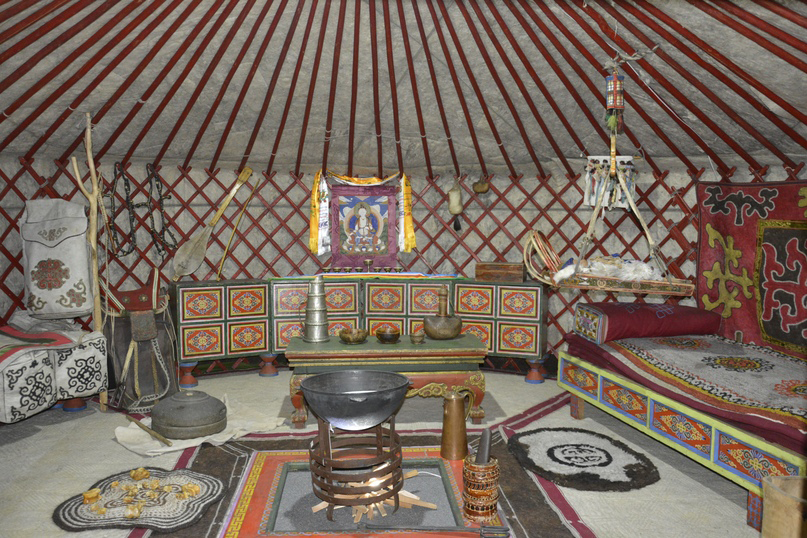
Tuvan yurt – a copy of the surrounding world
Yurt - a traditional dwelling of the Tuvan nomads in which all the elements of nature are expressed: the smoke hole (khaaraacha) is the sun, the sticks (yna) – the sun rays, the lattice walls (khana) – the mountains and ridges.
A yurt is not only a nomad's dwelling; for many centuries, it was a microcosm, a model of the universe. In a yurt, everything was oriented according to the cardinal directions, and each object had a specific place relative to the entrance door, which was usually facing east or, less commonly, southeast. The center of the yurt was the hearth. It also had a symbolic central axis that ran through the middle of the hearth and the smoke hole. The entire nomadic family's life revolved around the hearth.
The placement of not only things, but also people was strictly regulated. The western part of the yurt, located behind the hearth opposite the entrance, was considered honorable. There were aptars, light paired wooden chests. Their front walls were necessarily painted with colorful ornaments. These patterns served as the main decoration of the dim interior of the dwelling, illuminated by the sun only through a smoke hole or a hearth fire. There were also objects of worship here. The northern part of the yurt was considered female, while the southern part was considered male. On the women's side, there was a marital bed, a low wooden bed that stood on short logs, covered with a painted board with patterns on the front. Here, closer to the hearth, there was a women's utensils: a collapsible cupboard with dishes made of birch bark, wood, and leather, as well as other kitchen utensils and a pantry for food. On the men's side, there were saddles, weapons, and clothing. The most valuable items were kept in the aptara.
On the earthen floor, there were shirtek, felt rugs decorated with modest embroidered patterns, but for honored guests, there were special small felt rugs, olbuk, decorated with colorful appliqués. In general, the number of utensils was small. But these were the most necessary and rational items for nomadic life, selected over the centuries.
Each part of the yurt had its own name, and in the southern regions of Tuva, which were heavily influenced by the Mongols, the yurt was divided into twelve parts, similar to the twelve-year annual cycle. The master's place was called "the tiger" in Russian, the woman's place was called "the hare," the food storage room was called "the ox," and so on.
There was usually only one bed in the yurt, and only the master and mistress slept on it. All other family members, including adult children, slept on the floor, covered with fur coats. The remaining guests also slept there. Each person had a designated sleeping area. However, the distribution of sleeping areas in the yurt was only for shared meals and sleeping, and everyone was free to move around the yurt in other situations.
Nomads did not know mechanical clocks, and they did not have the concept of "hour" that we are used to, but this does not mean that they did not subject their life cycle to a specific flow of time. The yurt served as a means of measuring time, especially during the summer. It can be said that the yurt acted as an amazing sundial. The principle of operation of such a sundial is simple. The Tuvan people almost always place their yurts with the entrance facing east, and all the utensils are placed in specific locations.
Therefore, the sun's rays that enter the dwelling through the smoke hole and are located in various parts of the yurt and on various objects allow us to determine the time. Usually, informants referred to 9 or 10 such time periods, which cover the spring and summer hours from 5-6 a.m. to 8-9 p.m., and each of them has its own name, such as "the sun on the smoke circle," "the sun on the head of the bed," and so on. I will briefly list them.
1. The dawning sky is visible through the smoke hole — the hour of the morning dawn. At this time, the woman gets up and stokes the fireplace.
2. The sun's ray illuminates the smoke circle of the kharacha. This period is called "The Sun on the Kharacha." The woman begins milking the cows (approximately 6 a.m. in summer).
3. After an hour, the sun's rays move below the smoke circle to the unu poles that support it, known as "The Sun on the Unu." The woman begins milking the sheep. Then, men or teenagers drive the livestock to the pasture. 4. As the sun rises higher, it manages to shine lower into the yurt. Eventually, its rays touch the top of the lattice walls. This hour is referred to as "The Sun on the Lattice." By this time, the livestock is already grazing. The woman begins to do household chores: sewing clothes, working with hides, etc.
5. Now the sun's rays fall on the aptara - chests in the honorable - western - side of the yurt. The hour "Sun on the place of honor" has come. Soon the shepherds should bring the cattle for the day's milking.
6. Finally, the sun reaches its zenith - illuminates the head of the bed in the northern side of the dwelling. It means that it is noon. "Sun on the pillow". The mistress again heats the hearth and begins to cook lunch.
7. The sun, which is at its zenith, moves its rays towards the middle of the bed. The shepherds leave their livestock near the aal and enter the yurts. This is the "Sun on the Bed" hour. It's time for lunch.
8. After about an hour, the sun's rays reach the back of the bed and the edge of the wall. "The sun is on the wall at the edge." The woman begins to milk the sheep and goats.
9. As the sun continues to set, its rays illuminate the utensil shelf, the ulgur, to the right of the door: the hour "The sun is on the ulgur." During this time, the evening milking of the cows takes place.
10. As the sun sets, its last rays illuminate the smoke circle and its supports, and eventually disappear from the yurt. It's evening, which is 8-9 hours in summer.
Interestingly, the shepherds also used the yurt as their sundial. Here is what my colleague in the study of Tuvans, L.P. Potapov, wrote: "When the shepherds ... were in the pastures beyond the village, they, at the first need to determine the time, drew a small plan of the yurt on the ground and outlined on it the places of some objects necessary for orientation, then stuck a twig in the middle of a hastily sketched drawing and in the shadow cast by it based on the location of an object, the time was determined and, accordingly, they knew how to deal with the cattle, graze them in this place or turn back, etc."
But not all of the nomad's life was based on rational experience, and age-old superstitions dictated much. They also had something to do with the yurt.
Republic of Tuva
Tuva, official name — Republic of Tuva (Tuva Republic) — a constituent entity of the Russian Federation, a republic within its borders. It is part of the Siberian Federal District. It is part of the East Siberian Economic Region. The capital is the city of Kyzyl. In the west, the Republic of Tuva borders the Altai Republic and the Khakassia Republic, in the north, it borders the Krasnoyarsk Territory, in the northeast, it borders the Irkutsk Region and the Buryatia Republic of Russia, and in the south, it borders Mongolia. It was incorporated into the Russian Soviet Federative Socialist Republic on October 14, 1944, as the Tuva Autonomous Region (later renamed the Tuva Autonomous Soviet Socialist Republic), and it was transformed into a republic on May 24, 1991. The official languages are Tuvan and Russian. The Todginsky ethnolect is widespread in the Todginsky region.
The official website of the Republic of Tyva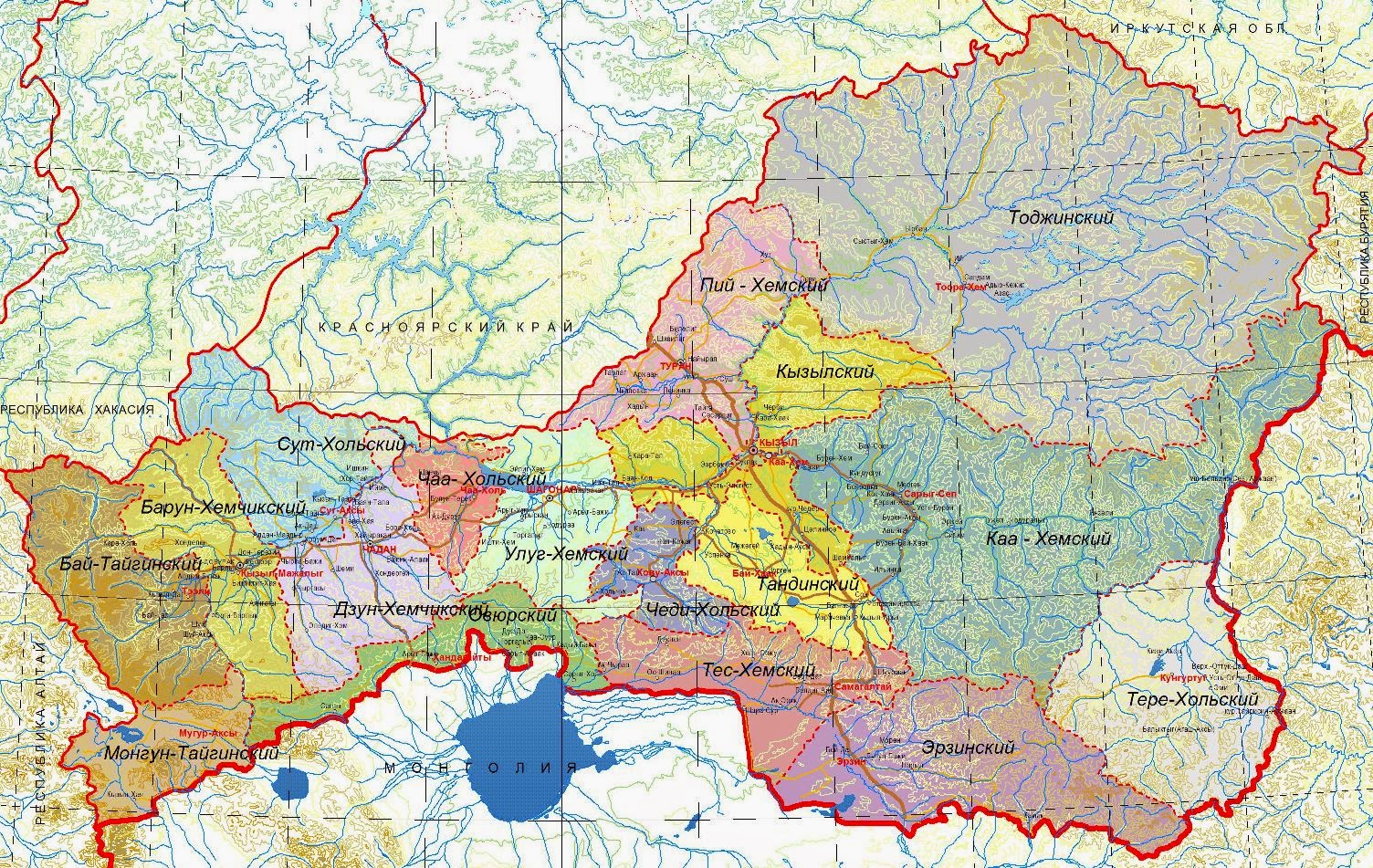
The history of Tuva
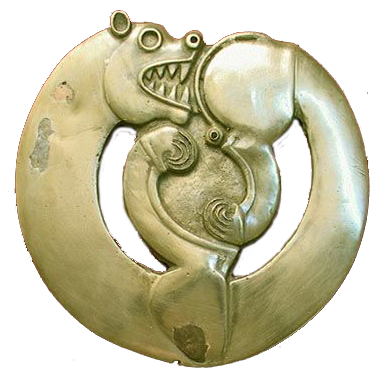
40,000 to 30,000 years ago, during the Paleolithic period (the earliest period of the Stone Age), humans began to inhabit the territory of Tuva. 20,000 to 15,000 years ago, during the Late or Upper Paleolithic period, primitive humans intensively settled in Tuva. Their primary activities were hunting and gathering.
More detail +Подробнее +
The culture and buddhism in Tuva
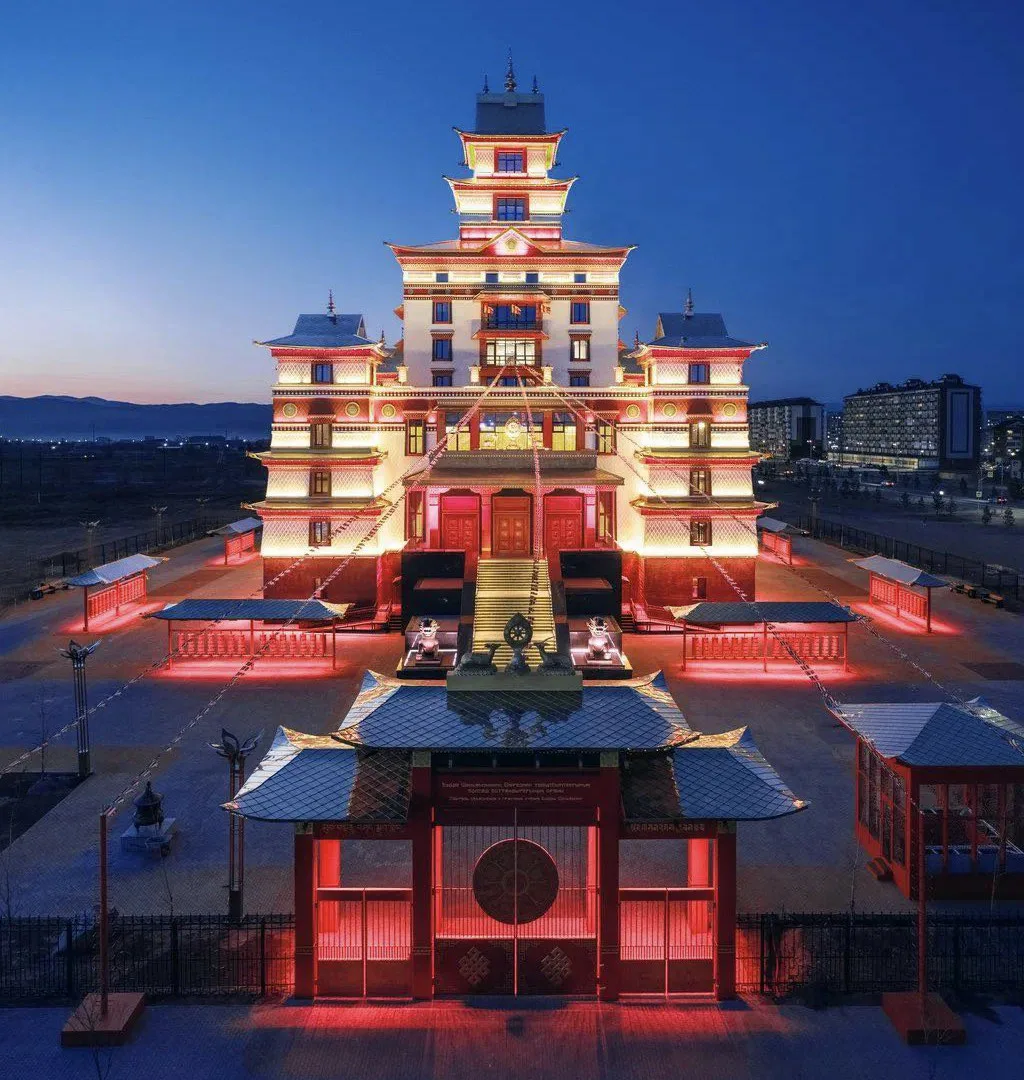
The traditional culture of the Tuvans, the main population of the republic, is a nomadic culture...
More detail +Подробнее +
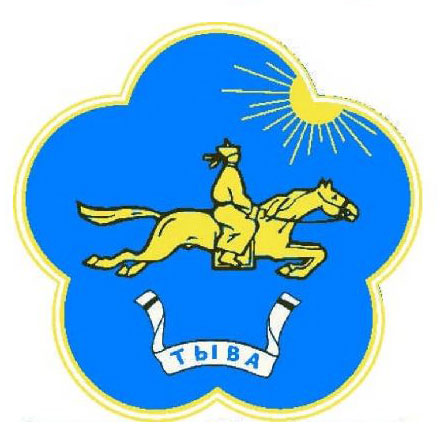
Coat of arms and anthem of the Republic
The modern state symbols, the coat of arms and flag of the Republic of Tuva, were adopted by the Supreme Council of the Republic on September 17, 1992
Подробнее +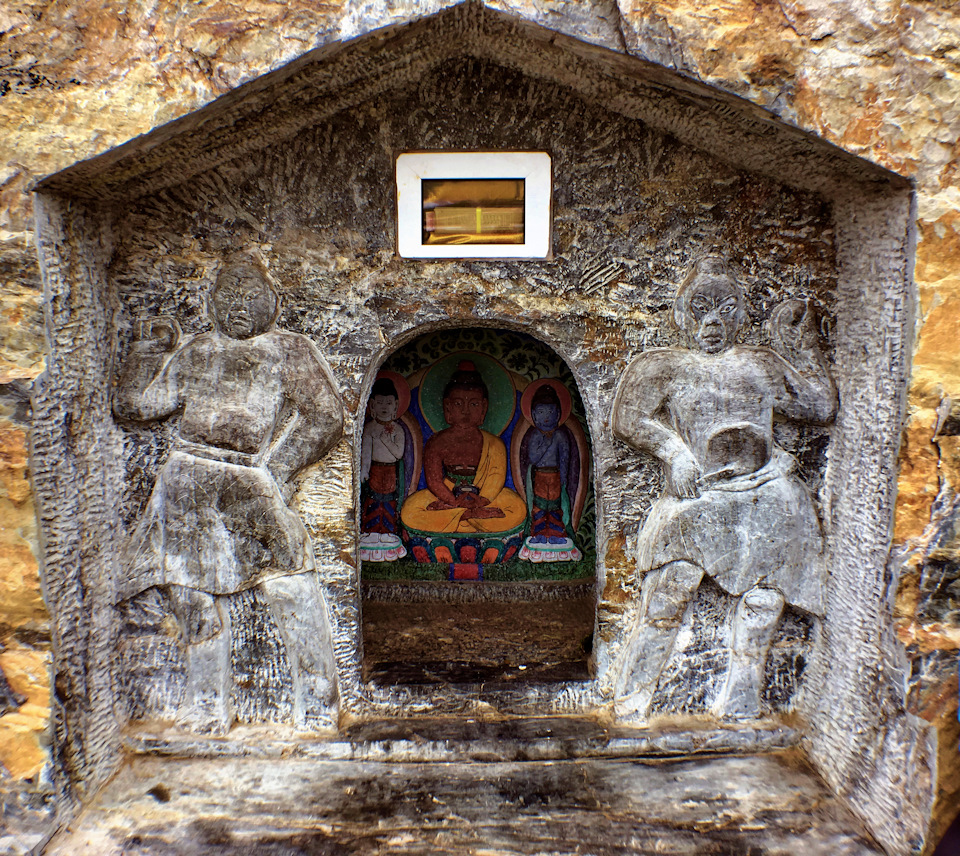
Sume – a buddhistic relic
The Sume Buddhist niche (Tuva: Sume) is located on the left bank of the Cha-Khol River (Russia, Tyva), near the village of Urbun, at a height of four meters from the foot of Mount Sume. The niche is accessed by steps carved into the gray shale.
More detail +Подробнее +
 Khoomei — Khoomei is one of the five main techniques of Tuvan throat singing, an
important part of Tuvan culture, worldview, and national identity..
Khoomei — Khoomei is one of the five main techniques of Tuvan throat singing, an
important part of Tuvan culture, worldview, and national identity..
Tuvan throat singing has gained worldwide fame and has become an unofficial symbol of the republic.
The main throat signing styles are HOOMEY, SYGYT, KARGYRAAThroat singing is a unique form of art that is characteristic of only certain peoples in the Sayano-Altai region, such as the Tuvinians, Altaians, Mongolians, and Bashkirs who live in the European part of Russia. The uniqueness of this art lies in the fact that the performer produces two notes simultaneously, creating a unique two-note solo.
More detail +


The richness and diversity of Tyva's flora
Flora of Tuva
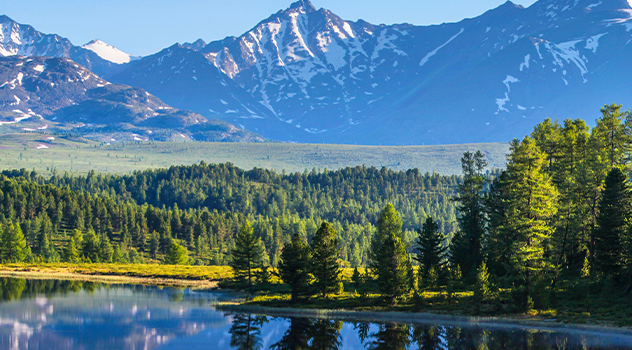
The flora of Tuva is not just an endless taiga, but a complex mosaic of different altitude zones, each with its own unique character and species composition. The region's flora is incredibly rich, with over 2,070 species of vascular plants.
More detail +
Подробнее +

Red Book of the Republic of Tuva
According to the results of scientific research conducted in Tuva in recent years, the list of rare species has been supplemented with 34 species, some of which are rare and narrowly endemic....
Download
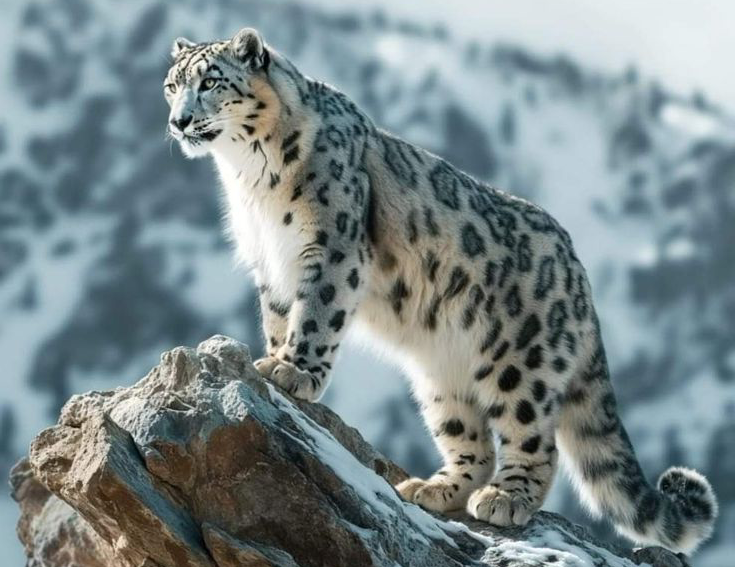
The Kingdom of Wildlife: From the Snow Leopard to the Gazelle
Fauna of Tuva
The fauna of Tuva is as diverse as its landscapes. According to the latest data, the republic is home to 86 species of mammals, about 364 species of birds, 9 species of reptiles, and up to 40 species and subspecies of fish.
Подробнее +
Interesting facts about Tuva
Description of traditional rituals, historical facts, articles, travel blogs and other materials describing the everyday life and traditional culture of the people of Tuva
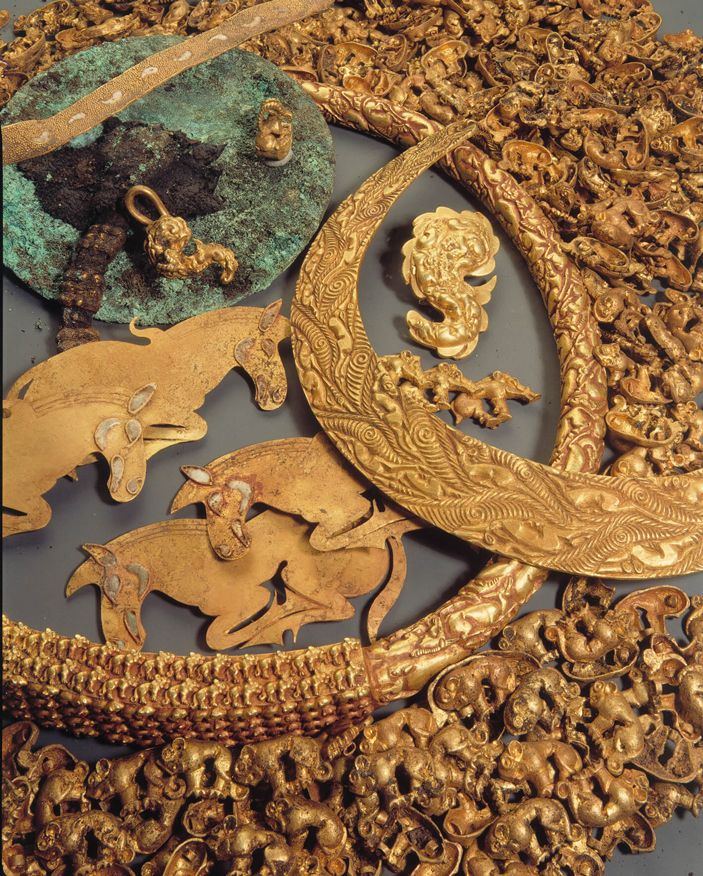
Valley of the Scythian Kings
The territory of the Valley of the Kings of Tuva is located in the Turano-Uyuk mountain-steppe basin in the Piy-Khem district of the Tuva Republic of the Russian Federation.
More detail +Подробнее +
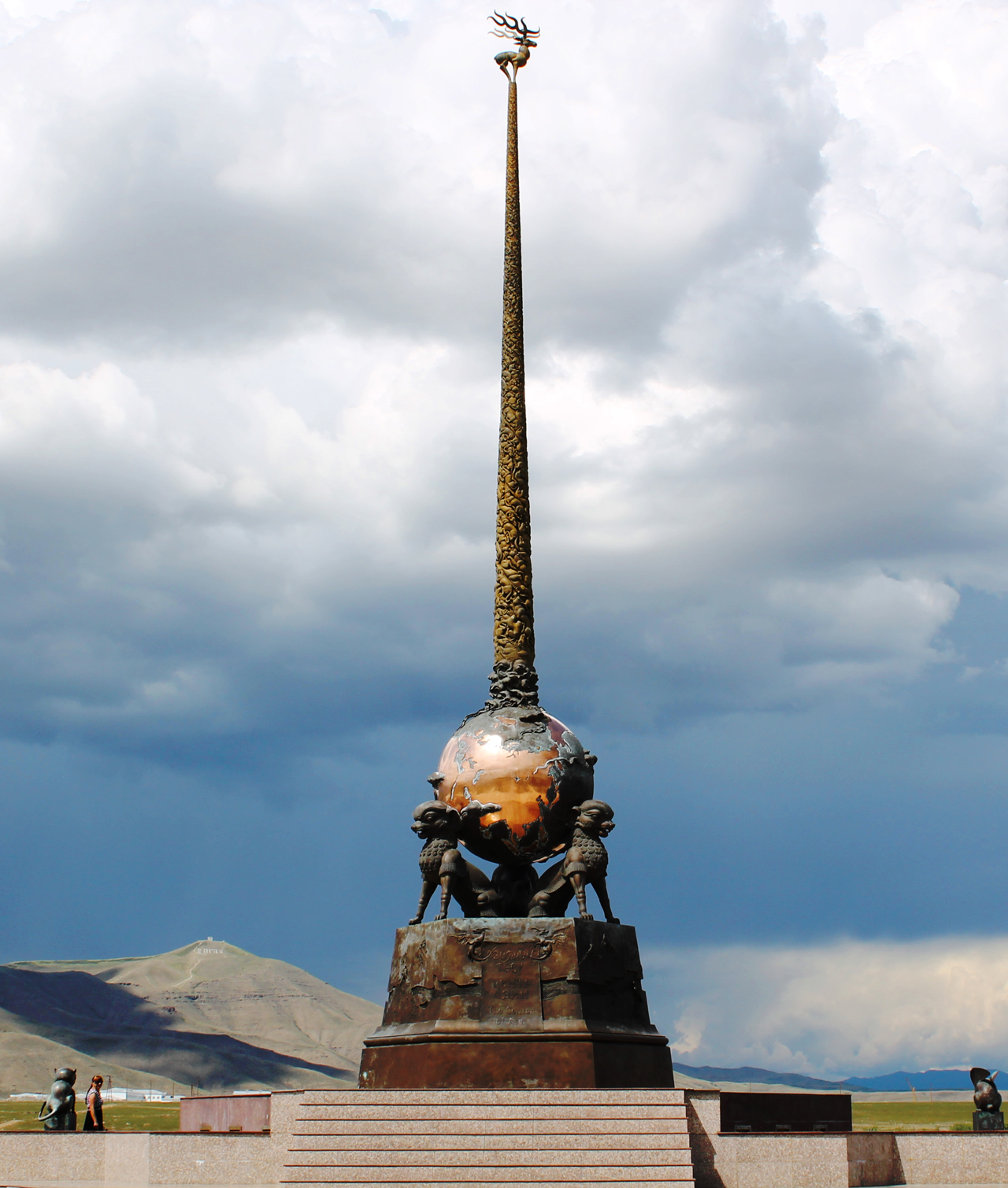
Tuva - the center of Asia
The Republic of Tuva is located in the geographical center of Asia, on this place in the city of Kyzyl is installed a commemorative obelisk.
Tuvan yurt – a copy of the surrounding world
Yurt - a traditional dwelling of the Tuvan nomads in which all the elements of nature are expressed: the smoke hole (khaaraacha) is the sun, the sticks (yna) – the sun rays, the lattice walls (khana) – the mountains and ridges.
More detail +Подробнее + | Подробнее +
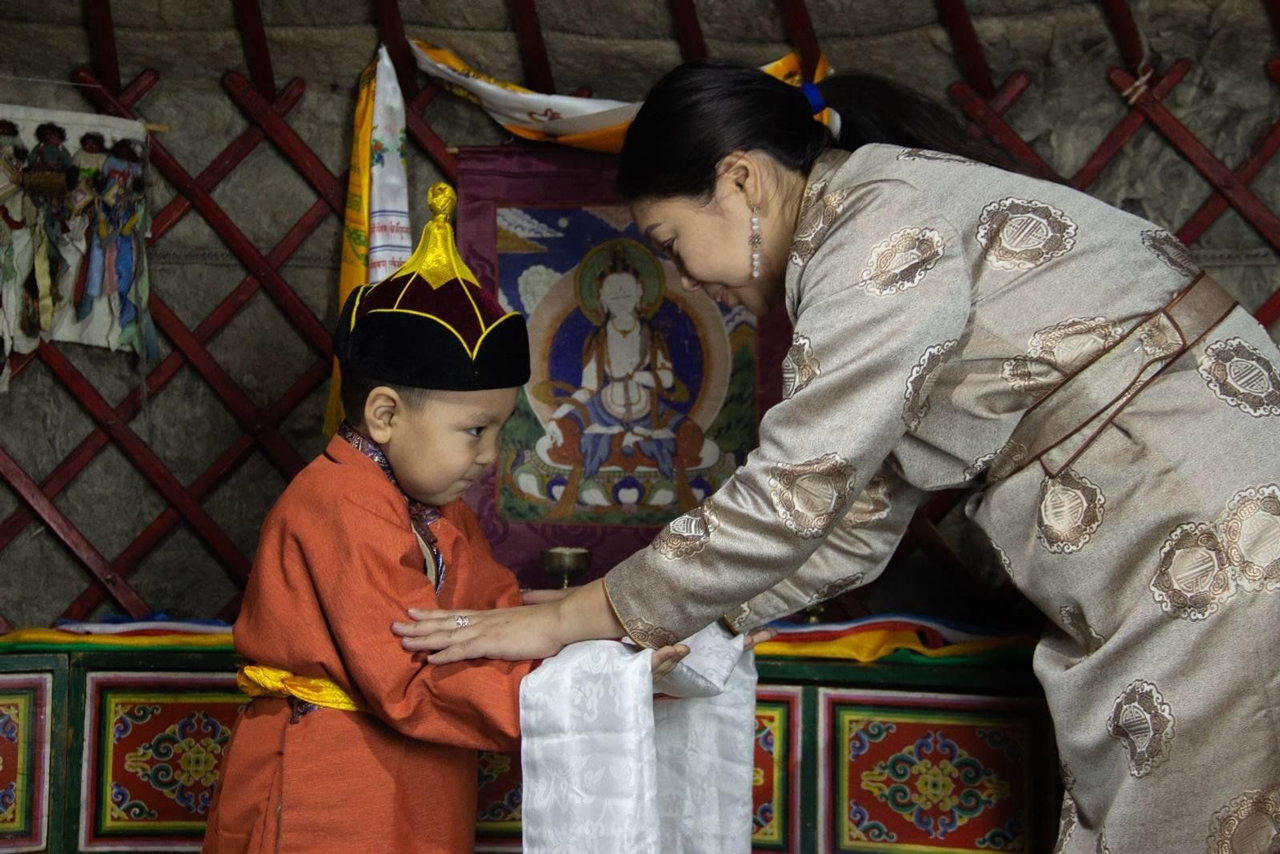
"Peace and prosperity to you!"
A special form of greeting was used — cholukshuuru. Gestures were an important element of this greeting: the younger person, whether a guest or the host, would extend their hands with their palms facing up as a sign of greeting, while the older person would lower their hands with their palms facing down, and their hands would touch at the level of their elbows.
Подробнее +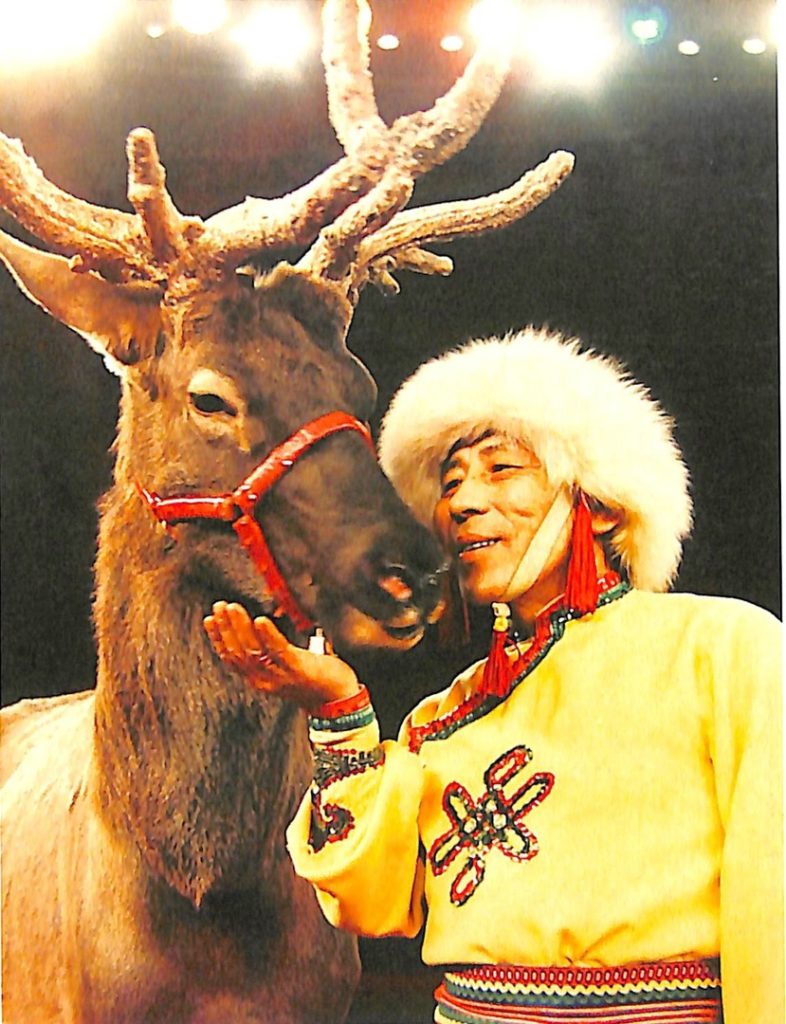
Tuva Circus
On July 25, 1939, by the decision of the Government of the Tuvan National Republic, the first circus group was created under the leadership of the People's Artist of the USSR Vladimir Bazyr-oolovich Oskal-ool.
| Подробнее +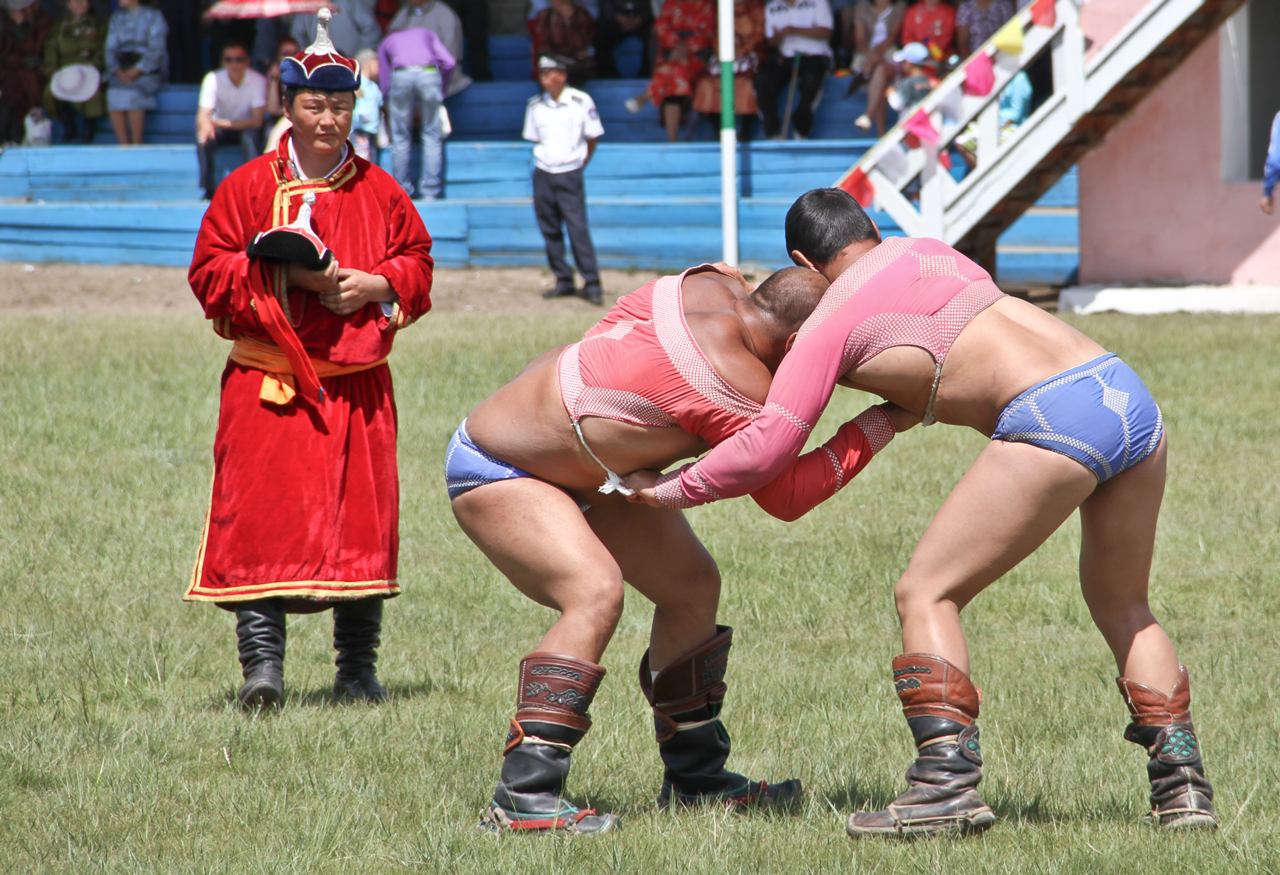
National wrestling Khuresh
Khuresh is the most favorite sport of the Tuvans. About wrestling are composed songs and legends, even in the Tuvinian folklore many themes are devoted to wrestling "khuresh"
| Подробнее +