About Tuva
A republic in the geographical center of Asia
About Tuva
A republic in the geographical center of Asia
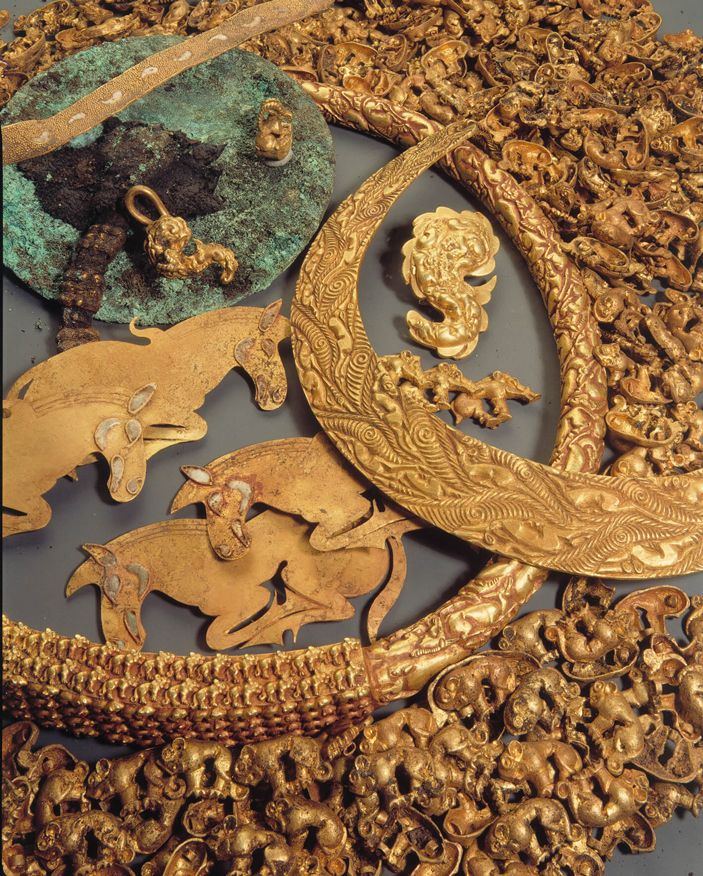
Valley of the Scythian Kings
The territory of the Valley of the Kings of Tuva is located in the Turano-Uyuk mountain-steppe basin in the Piy-Khem district of the Tuva Republic of the Russian Federation. The total area of the Turano-Uyuk valley is approximately 130,000 hectares. Here, in the vast valley of the Uyuk River, there are thousands of large earthen or stone mounds. Some of these mounds are over a hundred meters in diameter and up to six meters in height. Usually, the mounds form chains, which probably means that the people buried in them were related by blood. There are especially many mounds in the depths of the valley, where the Kortushibinsky and Uyuksky mountain ranges meet. The locals call this area the "Valley of the Kings" (Tuvan: Khannar Shynaazy).
The archaeological sites here date back to the 1st millennium BC, the Bronze and Iron Ages. The archaeological study of Tuva began with this valley. In 1915-1916, A. V. Adrianov conducted the first scientific archaeological excavations here. In the late 1920s, the famous Leningrad archaeologist S. A. Teploukhov studied the Scythian burial mounds in the Turano-Uyuk basin. In the Valley of the Kings, excavations were carried out in different years by A. D. Grach, A. M. Mandelstam, M. P. Gryaznov, M. Kh. Mannai-ool, Vl. A. Semenov, M. E. Kilunovskaya, and L. S. Marsadolov. The staff of the Artefact Laboratory at Tomsk State University (TSU), together with specialists from the Hermitage, with the support of the TSU Scientific Foundation, explored the territory of the Valley of the Kings in Tuva using remote archaeological site search technology based on aerial photography. The total area of the survey conducted in the Turano-Uyuk basin was about 200 square kilometers.
The study was conducted using a Geoscan-201 unmanned aerial vehicle. This is the largest project in Russia to document archaeological sites using a drone. Over 20,000 images were taken during ten flights. The search for archaeological sites was conducted using the QGIS software. Through aerial photography, scientists were able to map over 1,000 archaeological sites, compared to the previously known 265 sites. Among these sites are those that were not visible or accessible from the ground, such as plowed burial mounds. The Valley of the Kings of Tuva in the Piy-Khem District of the Republic of Tuva, with its grandiose archaeological monuments, has the potential to be included in the UNESCO World Heritage List as an example of ancient elite burial and memorial complexes of early nomads, the progenitors of the Scythian culture that emerged in the early 1st millennium BC in what is now Tuva.
Almost the entire territory of the Valley of the Kings of Tuva is a cluster of a huge number of burial, memorial, and ritual complexes. It combines not only mound burials, but also monuments of rock art. It is safe to say that this territory has been revered by the local residents for over 3,000 years. The tradition of revering this valley has been preserved among modern Tuvans. The most famous mound in the world is Arzhan-1 (original diameter 120 m, height 4 m), the results of research of which have overturned the scientists' understanding of the ancestral homeland of the Scythian culture and have become an invaluable scientific source for studying the civilization of early nomads. Under the stone platform, there was a wooden structure made of more than 5,000 logs. It consisted of numerous rectangular and square log cabins arranged in rows around the center of the mound, giving the entire structure the appearance of a wheel.
In the center was the srubnaya chamber of the central grave. In total, there were 29 complexes in the Arzhan-1 mound (the central grave, 15 accompanying graves, as well as 13 horse burials with the remains of more than 200 horses). The central burial in the Arzhan-1 mound was, in all likelihood, very rich. It is impossible to say anything definite about the quantity and significance of the inventory, as the most valuable objects were stolen by robbers. There are only two mounds with this layout in the world, and both date back to the 9th and 8th centuries BC and are located in the Valley of the Kings of Tuva. The discovery of the un disturbed royal burial in the Arzhan-2 mound (second half of the 7th century BC) was a global sensation. Before the excavation, the monument appeared as a flat, sodded stone "platform" with a diameter of 75-80 m and a height of 1.5-2 m. In the northwestern part of the mound, a burial of two people was discovered with a large number of high-quality gold jewelry.
The remaining 3331 pieces are permanently stored in the State Hermitage Museum. The gold items from the "royal" grave of Arjaan-2 are remarkable for their craftsmanship and high artistic taste, demonstrating the advanced level of jewelry-making achieved by the tribes inhabiting modern-day Tuva.
These masterpieces of ancient craftsmanship have become a permanent part of world culture. The king's and queen's headdresses were adorned with golden plaques. The crowns were adorned with tiptoeing figures of a trumpeting deer with its head slightly tilted back. The king's headdress featured four horse figures, while the queen's headdress had two horse figures, arranged symmetrically on either side of the royal couple's headdresses. The king's neck was adorned with a massive oval-shaped gold collar. The weight of the hryvnia is 1504.18 g. The front part of the hryvnia is a curved bar with figures of cat predators soldered on two adjacent sides.
The entire surface is covered with carved reliefs. The absence of one of the figures, as well as the wear and scratches, indicate that it was used extensively during the king's lifetime. Additionally, 2,632 clothing plaques in the shape of cat-like predators were found on the king's clothing. A 38.7 cm long iron dagger (akinak) weighing 930.06 grams was found near the king's right thigh.
The ornamentation of the hilt and blade is a distinctive combination of very detailed and realistic animal drawings, as well as abstract representations of wings and spirals, possibly stylized heads of birds of prey, forming a complex and ornate pattern. The king's pants, originally made of fabric or leather, were adorned with a vast number of gold beads, estimated to be around 250,000 based on their weight. On the floor to the king's left, there were remnants of a gorit containing arrows and a bow.
Made of wood and possibly covered with a material, the gorit had two gold covers: one longitudinal and the other at the bottom. Both covers were decorated with a scaly pattern that was stamped using a wooden model. There were also 244 gold plaques from the gorit in the form of wild boar figurines, with a total weight of 1389.52 grams. The wild boar figurines were very realistically depicted and were made of gold and ornamented with carvings. Despite their small size, numerous details can be easily recognized. There were smaller plaques next to the 244 large ones. The arrows were lying in the fire, with their tips facing down.
All the arrows, with the exception of two: one of bone, the other of bronze, were made of iron with gold and silver inlay. Between the king and the queen, there was a miniature golden cauldron. The queen's jewelry included a golden pectoral with a total weight of 172.93 grams. It was not on the deceased's body but was likely hung on a thin wooden pole placed vertically against the northwestern wall of the structure. At the queen's head, next to the plaques and stripes, there were two massive gold pins, which were probably attached to the front of a tall, conical or pointed headdress.
One of the studs ends in a hemispherical head and a wing-shaped protrusion on the side. The stud is 35.7 cm long. Parallel to the stud with the hemispherical head, there is a stud with a deer-shaped head. The stud is 30.2 cm long. This stud is covered with a cast relief ornament on the shaft. The head consists of a "tiptoeing" sculptural figure of a deer, which is carefully crafted on all sides. 2297 smaller gold plaques in the shape of cat predators were sewn onto the queen's cape or jacket in the form of curved lines.
Republic of Tuva
Tuva, official name — Republic of Tuva (Tuva Republic) — a constituent entity of the Russian Federation, a republic within its borders. It is part of the Siberian Federal District. It is part of the East Siberian Economic Region. The capital is the city of Kyzyl. In the west, the Republic of Tuva borders the Altai Republic and the Khakassia Republic, in the north, it borders the Krasnoyarsk Territory, in the northeast, it borders the Irkutsk Region and the Buryatia Republic of Russia, and in the south, it borders Mongolia. It was incorporated into the Russian Soviet Federative Socialist Republic on October 14, 1944, as the Tuva Autonomous Region (later renamed the Tuva Autonomous Soviet Socialist Republic), and it was transformed into a republic on May 24, 1991. The official languages are Tuvan and Russian. The Todginsky ethnolect is widespread in the Todginsky region.
The official website of the Republic of Tyva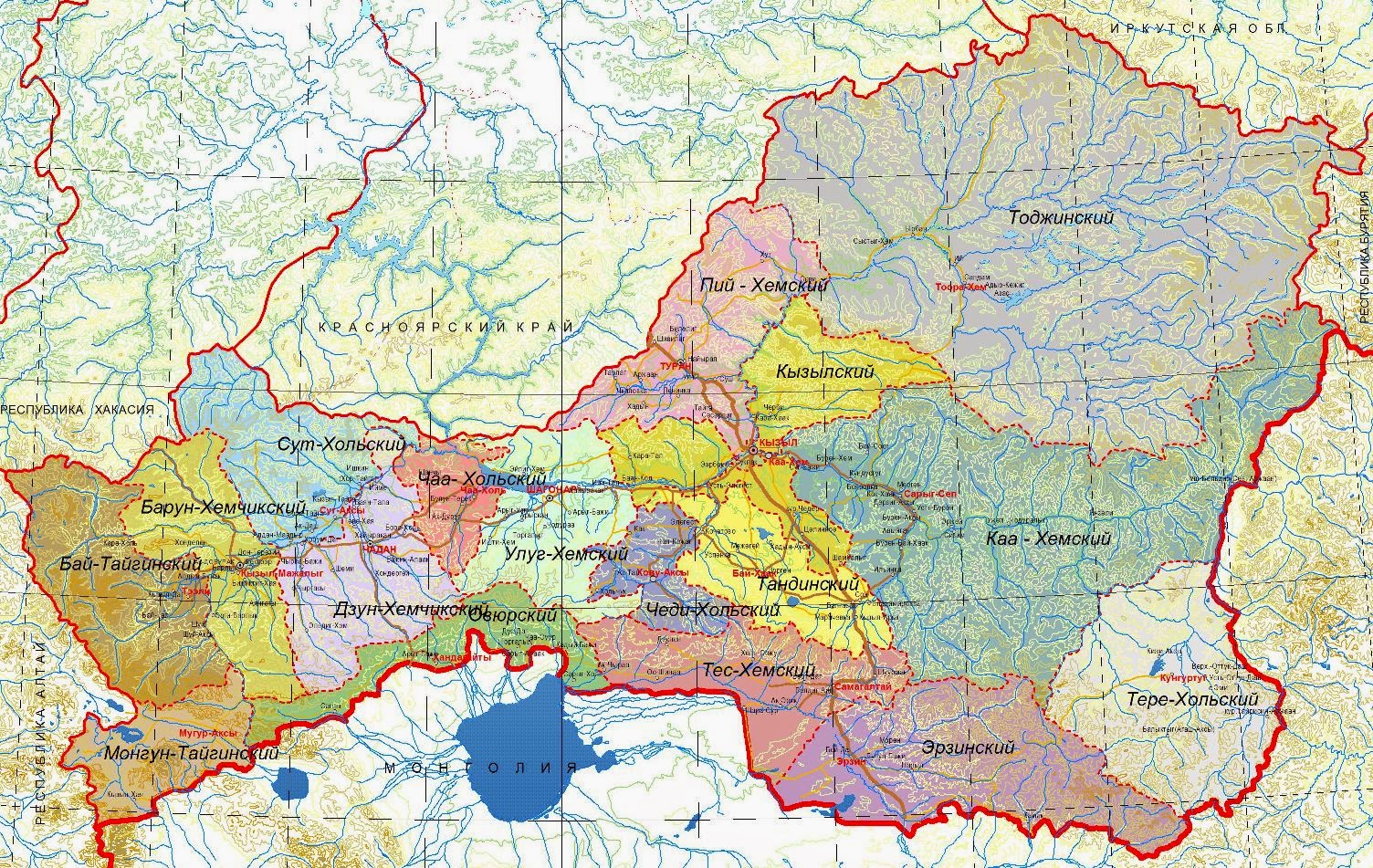
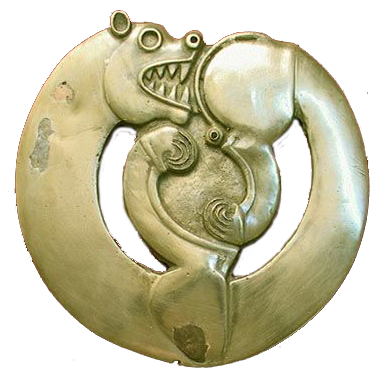
The history of Tuva
40,000 to 30,000 years ago, during the Paleolithic period (the earliest period of the Stone Age), humans began to inhabit the territory of Tuva. 20,000 to 15,000 years ago, during the Late or Upper Paleolithic period, primitive humans intensively settled in Tuva. Their primary activities were hunting and gathering.
More detail +Подробнее +
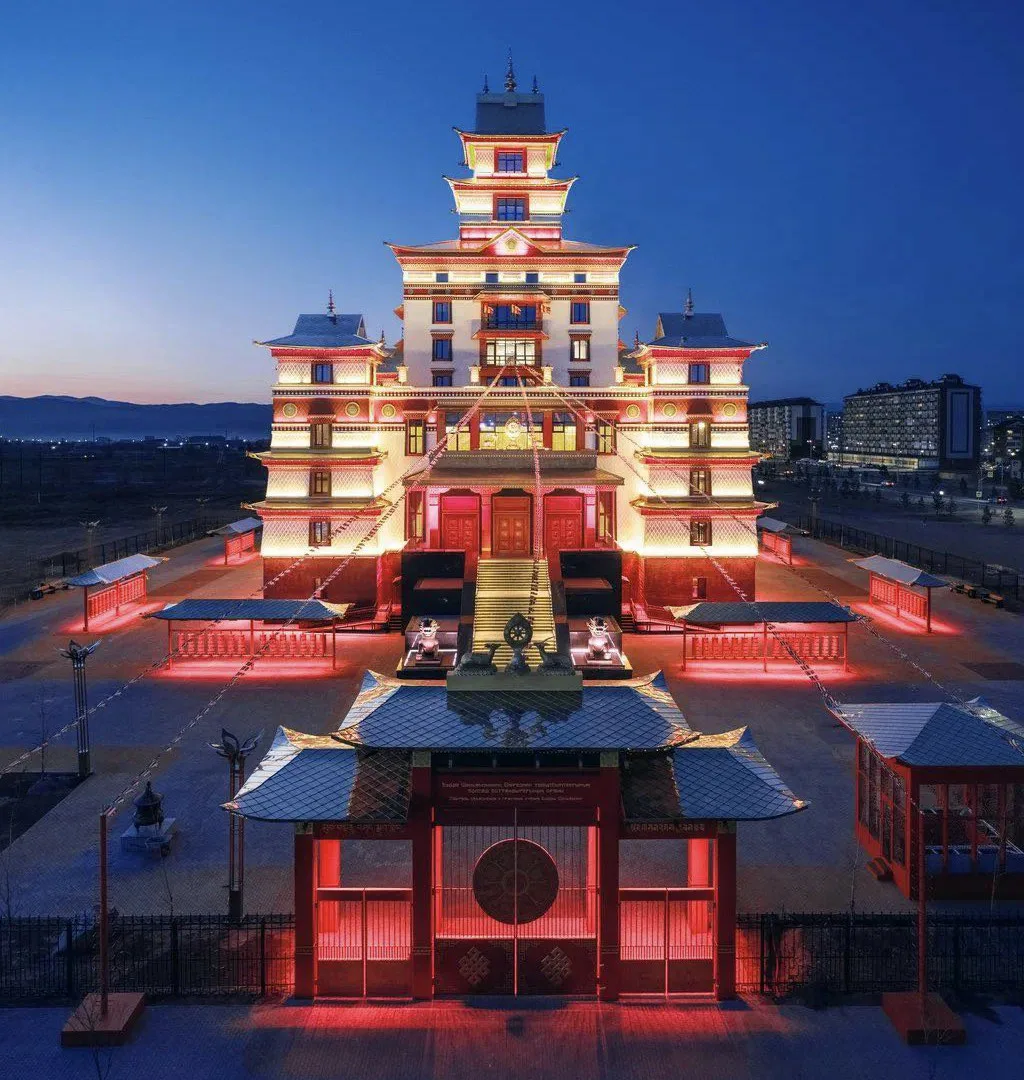
The culture and buddhism in Tuva
The traditional culture of the Tuvans, the main population of the republic, is a nomadic culture...
More detail +Подробнее +
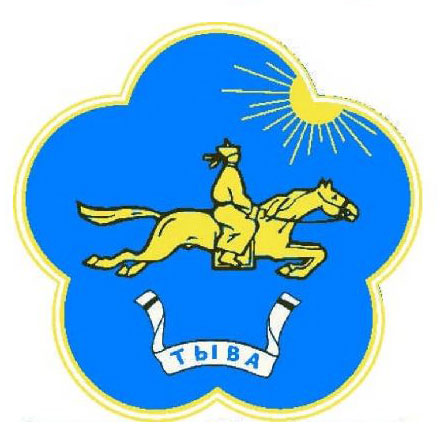
Coat of arms and anthem of the Republic
The modern state symbols, the coat of arms and flag of the Republic of Tuva, were adopted by the Supreme Council of the Republic on September 17, 1992
Подробнее +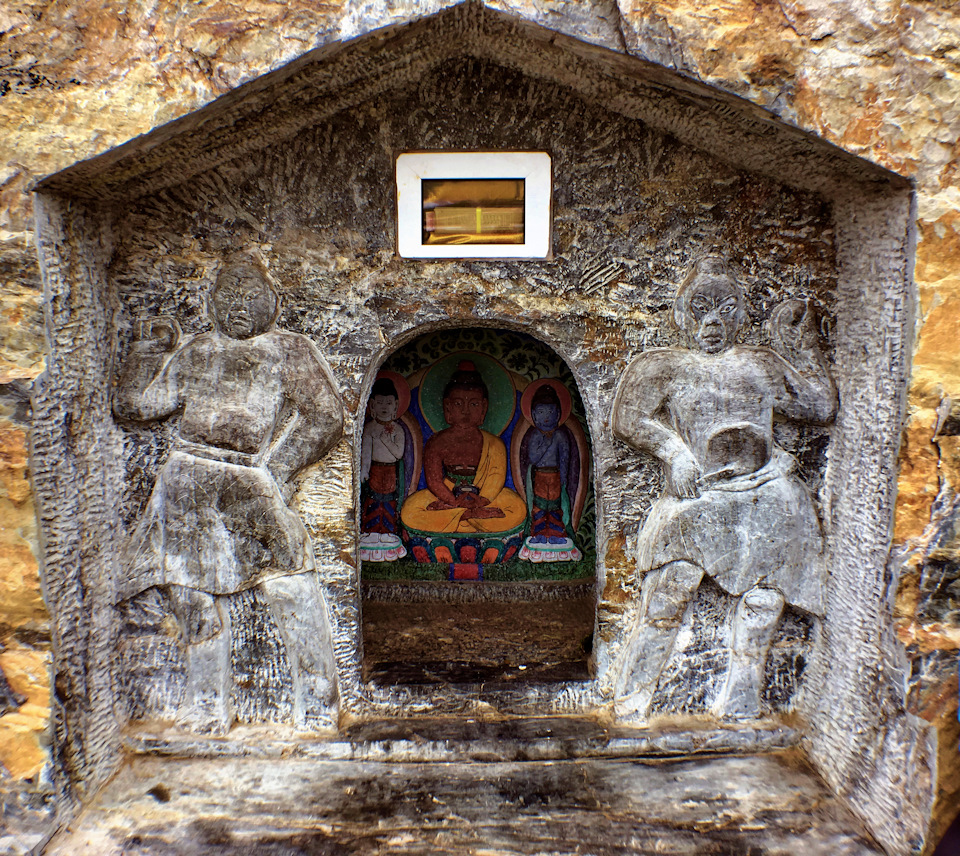
Sume – a buddhistic relic
The Sume Buddhist niche (Tuva: Sume) is located on the left bank of the Cha-Khol River (Russia, Tyva), near the village of Urbun, at a height of four meters from the foot of Mount Sume. The niche is accessed by steps carved into the gray shale.
More detail +Подробнее +
 Khoomei — Khoomei is one of the five main techniques of Tuvan throat singing, an
important part of Tuvan culture, worldview, and national identity..
Khoomei — Khoomei is one of the five main techniques of Tuvan throat singing, an
important part of Tuvan culture, worldview, and national identity..
Tuvan throat singing has gained worldwide fame and has become an unofficial symbol of the republic.
The main throat signing styles are HOOMEY, SYGYT, KARGYRAAThroat singing is a unique form of art that is characteristic of only certain peoples in the Sayano-Altai region, such as the Tuvinians, Altaians, Mongolians, and Bashkirs who live in the European part of Russia. The uniqueness of this art lies in the fact that the performer produces two notes simultaneously, creating a unique two-note solo.
More detail +


The richness and diversity of Tyva's flora
Flora of Tuva
The flora of Tuva is not just an endless taiga, but a complex mosaic of different altitude zones, each with its own unique character and species composition. The region's flora is incredibly rich, with over 2,070 species of vascular plants.
More detail +
Подробнее +

Red Book of the Republic of Tuva
According to the results of scientific research conducted in Tuva in recent years, the list of rare species has been supplemented with 34 species, some of which are rare and narrowly endemic....
Download

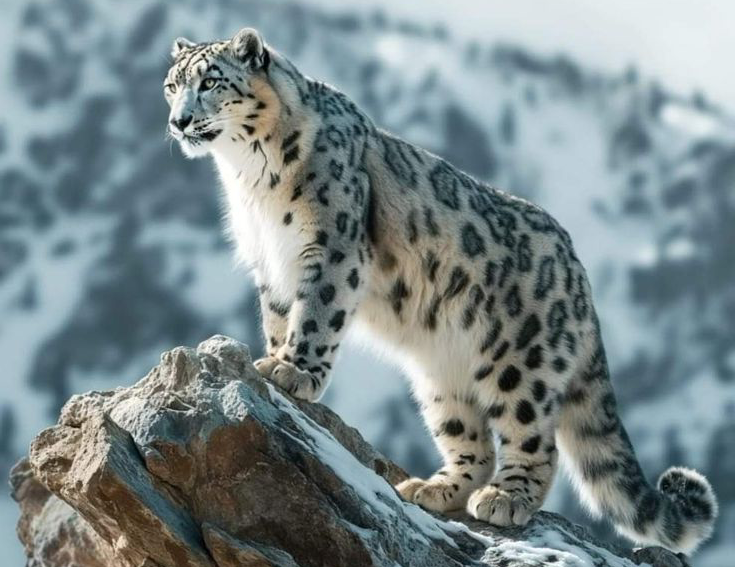
The Kingdom of Wildlife: From the Snow Leopard to the Gazelle
Fauna of Tuva
The fauna of Tuva is as diverse as its landscapes. According to the latest data, the republic is home to 86 species of mammals, about 364 species of birds, 9 species of reptiles, and up to 40 species and subspecies of fish.
Подробнее +
Interesting facts about Tuva
Description of traditional rituals, historical facts, articles, travel blogs and other materials describing the everyday life and traditional culture of the people of Tuva
Valley of the Scythian Kings
The territory of the Valley of the Kings of Tuva is located in the Turano-Uyuk mountain-steppe basin in the Piy-Khem district of the Tuva Republic of the Russian Federation.
More detail +Подробнее +
Tuva - the center of Asia
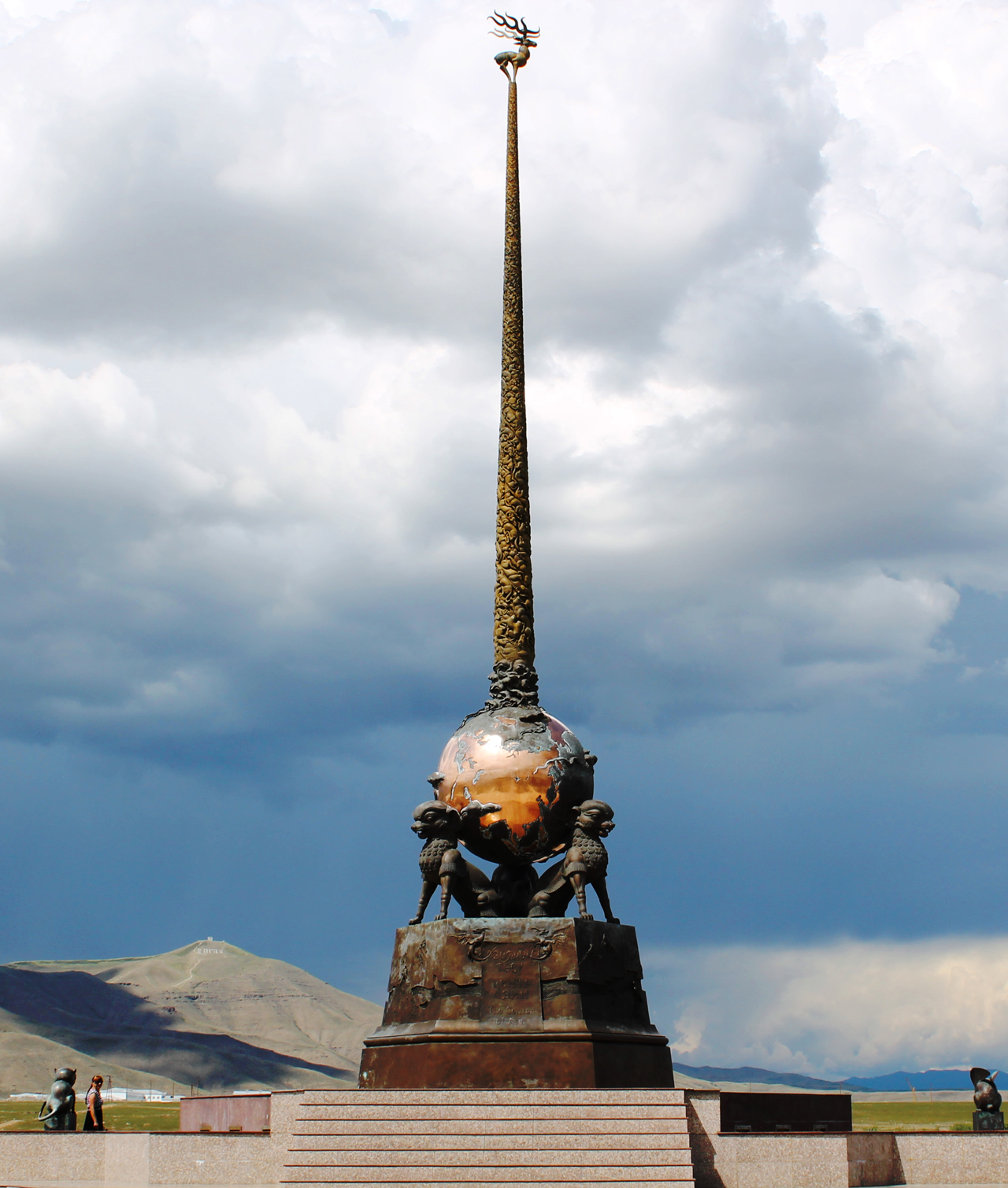
The Republic of Tuva is located in the geographical center of Asia, on this place in the city of Kyzyl is installed a commemorative obelisk.
Tuvan yurt – a copy of the surrounding world
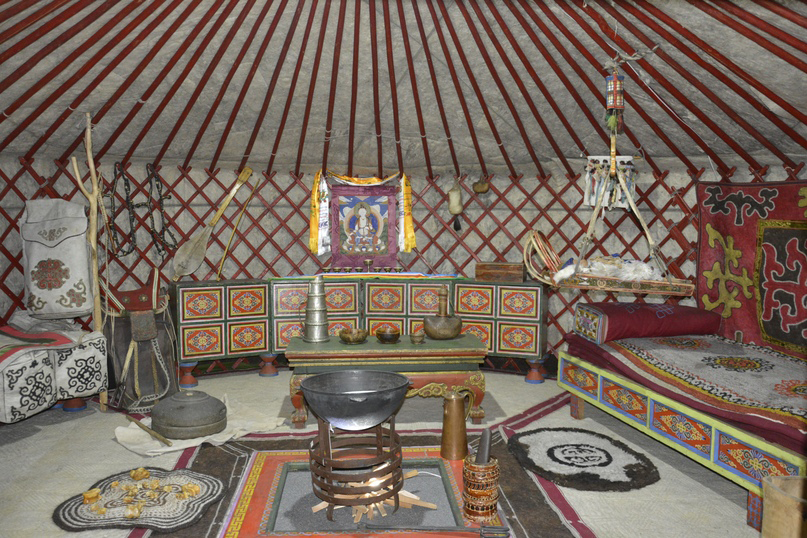
Yurt - a traditional dwelling of the Tuvan nomads in which all the elements of nature are expressed: the smoke hole (khaaraacha) is the sun, the sticks (yna) – the sun rays, the lattice walls (khana) – the mountains and ridges.
More detail +Подробнее + | Подробнее +
"Peace and prosperity to you!"
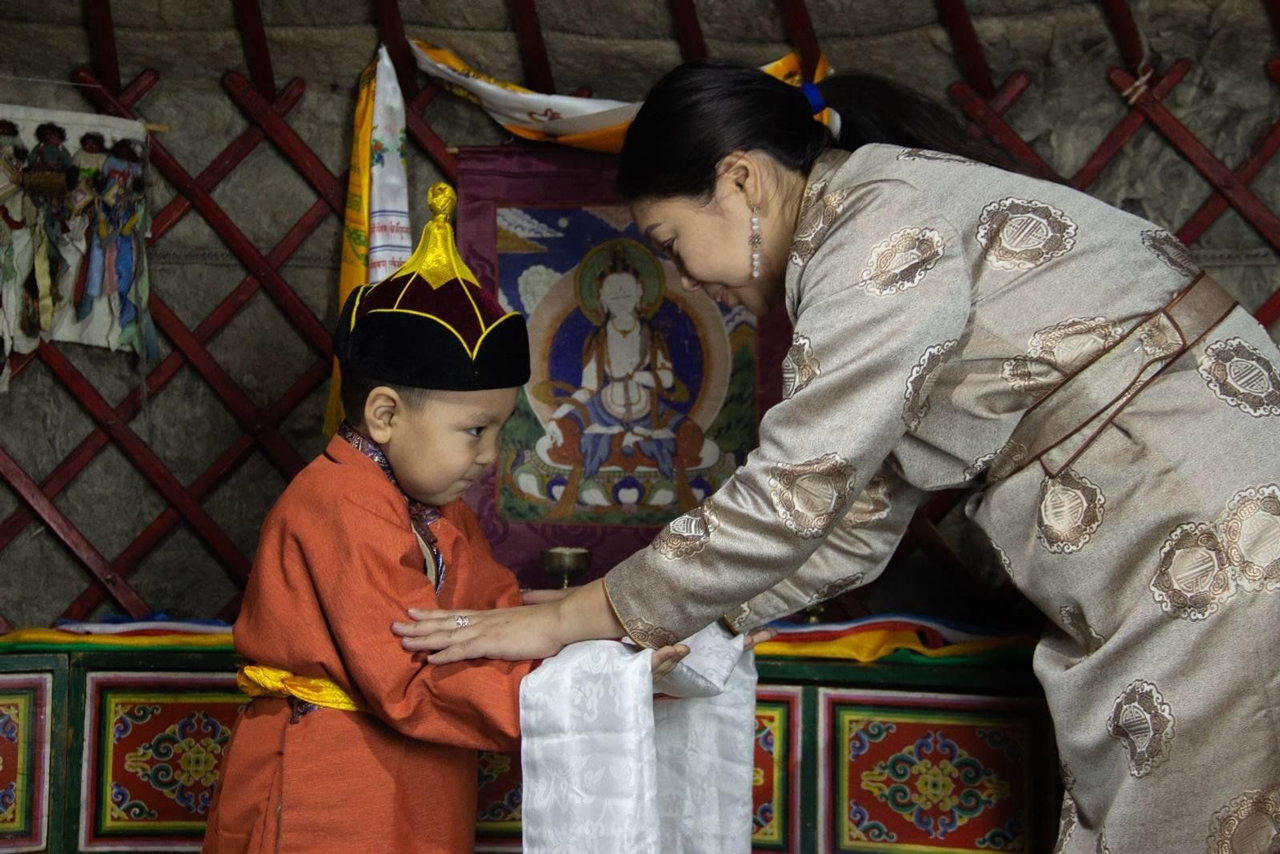
A special form of greeting was used — cholukshuuru. Gestures were an important element of this greeting: the younger person, whether a guest or the host, would extend their hands with their palms facing up as a sign of greeting, while the older person would lower their hands with their palms facing down, and their hands would touch at the level of their elbows.
Подробнее +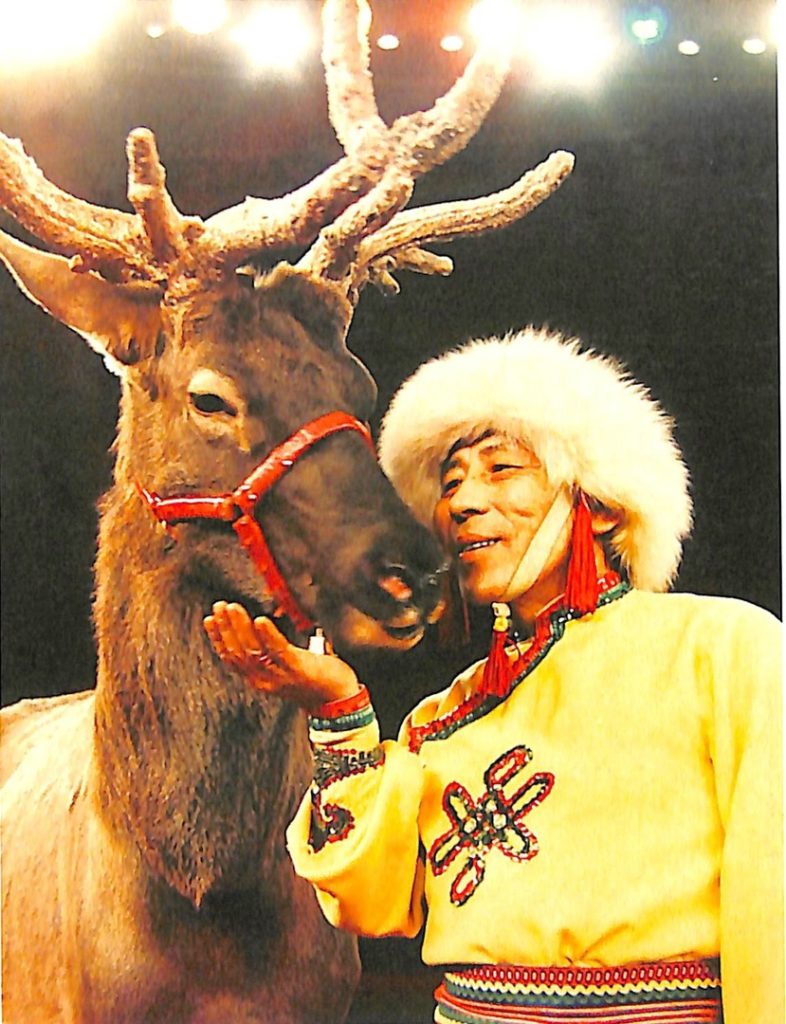
Tuva Circus
On July 25, 1939, by the decision of the Government of the Tuvan National Republic, the first circus group was created under the leadership of the People's Artist of the USSR Vladimir Bazyr-oolovich Oskal-ool.
| Подробнее +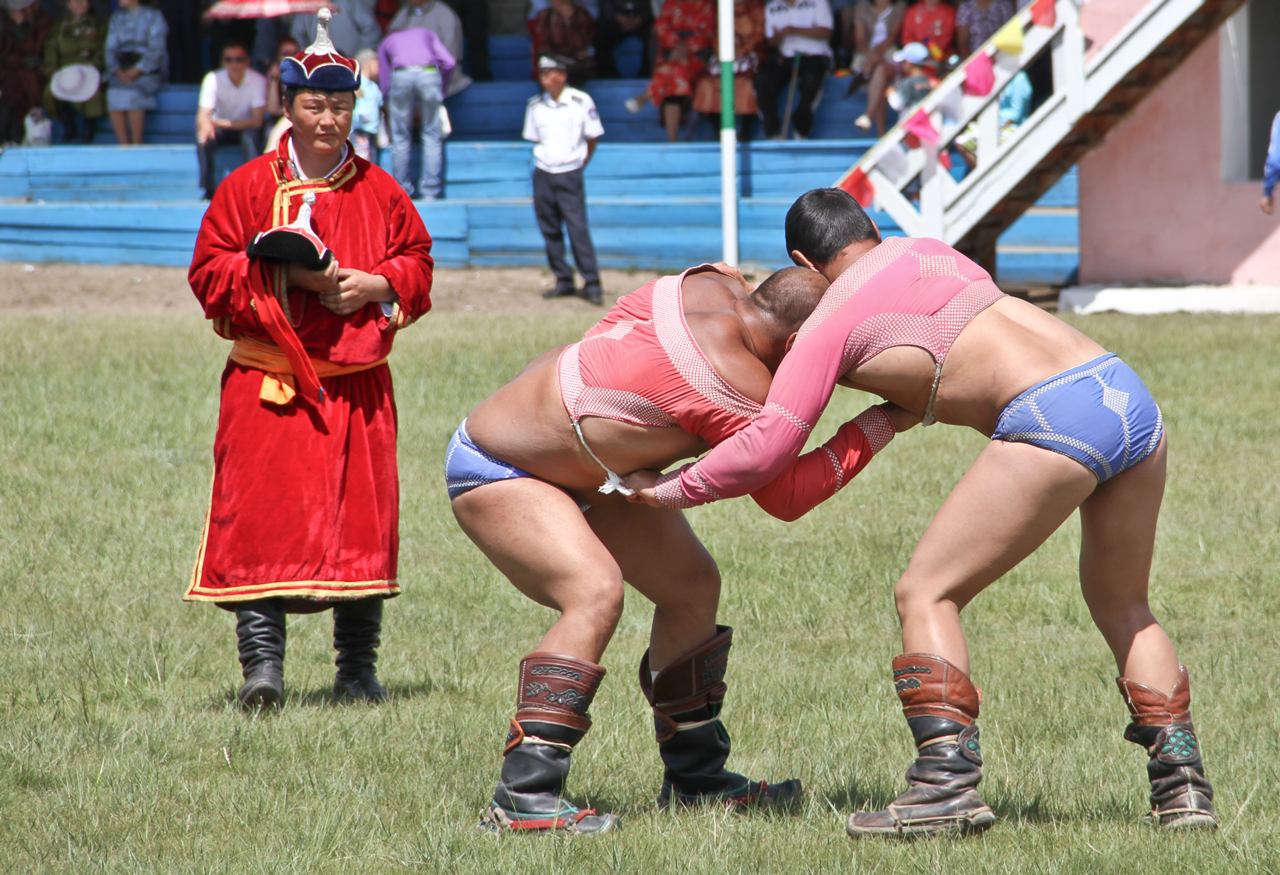
National wrestling Khuresh
Khuresh is the most favorite sport of the Tuvans. About wrestling are composed songs and legends, even in the Tuvinian folklore many themes are devoted to wrestling "khuresh"
| Подробнее +