About Tuva
A republic in the geographical center of Asia
About Tuva
A republic in the geographical center of Asia
The history of Tuva
40,000 to 30,000 years ago, during the Paleolithic period (the earliest period of the Stone Age), humans began to inhabit the territory of Tuva. 20,000 to 15,000 years ago, during the Late or Upper Paleolithic period, primitive humans intensively settled in Tuva. Their primary activities were hunting and gathering.
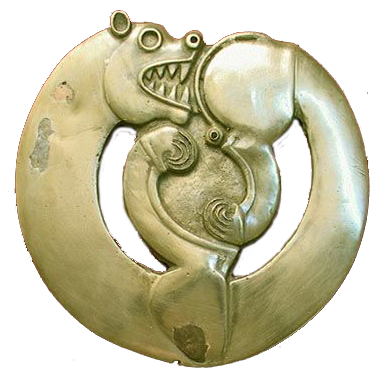
6,000 to 5,000 years ago, during the Neolithic period (the New Stone Age), humans developed more advanced stone tools and began using bows and arrows. The end of the 3rd millennium – 9th century BC – the Bronze Age. The transition to pastoralism in combination with primitive agriculture. 8th-3rd centuries BC – the Early Iron Age. The transition of local tribes to nomadic pastoralism, which has been the main occupation of the Tuvan population for two and a half thousand years. The development of mining and metallurgy. The introduction of iron. The social structure of the Tuvan tribes is on the verge of the disintegration of primitive communal relations. The unique and distinctive art of the local tribes incorporated elements of the Scythian-Siberian "animal style" that was widespread in the visual arts.
2nd century BC - 5th century AD - the population of Tuva mixes with the newcomer tribes, which were pushed into Tuva by the Xiongnu tribes, who created a military-tribal alliance and established domination in Central Asia.
Around 201 BC - the territory of Tuva is conquered by the Xiongnu. The anthropological type of the population of Tuva is changing from a mixed Caucasoid-Mongoloid type with a predominance of Caucasoid features to a Central Asian type of the great Mongoloid race. The local tribes lead a nomadic lifestyle. The disintegration of tribal relations and the formation of the beginnings of statehood are taking place.
The 6th-8th centuries AD are known as the Old Turkic period. Tuva was part of the Turkic Khaganate. The main occupation of the population was nomadic pastoralism. The main dwelling was a domed felt yurt. The main food was meat and dairy products. The population used runic writing. Feudalism was emerging. There were cultural and trade relations with Central Asia and China. The main core of the Turkic community, which later became known as the Tuvan people, was forming.
In the 745-840 period, the Uyghurs defeated the ancient Turkic state and established their own Khaganate. The Uyghurs, one of the oldest Turkic-speaking peoples, built fortresses in Tuva. At that time, Tuva was home to a sedentary civilization. The nomadic pastoralists primarily lived in collapsible lattice yurts covered with felt. The Yenisei script was also used. In addition to the existing ethnic groups – the Turkic-speaking Chiki, Azi, Dubo, Tele, Tyukyu, and others – the Uyghurs were added, leaving a significant mark on the ethnogenesis of the modern Tuvan people.
The 9th to 12th centuries saw Tuva as part of the ancient Kyrgyz. The Kyrgyz were added to the tribes and ethnic groups.
In 1207, the Mongolian army led by Jochi, the eldest son of Genghis Khan, conquered the tribes of Tuva. A significant number of Mongolian-speaking and other tribes entered the region. The religious beliefs of the Tuvan people are based on shamanism, one of the oldest forms of religion that has existed since the Stone Age. Although they did not yet form a single nation and did not have a common self-designation, the various Tuvan tribes already shared a common territory and a common language with different dialects. In written sources from the early 13th century, the population of Tuva was referred to as "Kam-Kamjiut" or "Tubas." The ethnonym "Dubas" or "Dubo" later became the self-designation of all Tuvan people, known as "Tyva Ulus." The assimilation of the local Turkic-speaking population with Mongolian ethnic groups also contributed to the formation of the Central Asian physical type that is characteristic of modern Tuvan people.
13th-14th centuries – Tuva is under the rule of Mongolian feudal lords. 13th-16th centuries – the beginning of the spread of Lamaism in Mongolia and Tuva.
14th-16th centuries – the population of Tuva was independent from the Mongolian feudal lords and lived in their ancestral territories.
The end of the 16th century and the beginning of the 17th century saw a significant increase in the power of Sholoy Ubashi-Khuntaiji (the Golden King), the first Altyn Khan, the leader of a feudal alliance in Mongolia. In the 17th century, some of the northeastern Tuvan tribes were part of Russia.
In 1616, on October 2-26, the first Russian embassy established direct contact with the Tuvan tribes and visited Altyn Khan Sholoy Ubashi-Khuntaiji.
1617, April. – the first embassy of Altyn Khan set to Moscow and his reception by the Russian Tsar M. F. Romanov.
1617, between April 13 and May 29. – the first charter of Tsar M. F. Romanov to Altyn Khan Sholoy Ubashi-Khuntaiji on his acceptance into Russian citizenship.
1633, May 25 — Tsar Mikhail Romanov's charter to Ombu Erdeni, the Altyn Khan, granting him Russian citizenship.
1634, June 3—1635, April 26 — a Russian embassy led by Yakov Tukhachevsky visits the Altyn Khan.
1635, January 14. — Letter from Altyn Khan to Tsar M. F. Romanov about his acceptance of Russian citizenship, mutual assistance, and sending of ambassadors.
1636, February 9. — Letter from Tsar M. F. Romanov to Altyn Khan about his acceptance of Russian citizenship.
1636, August 28, — 1637, April 23. — a trip of the Russian embassy led by S. A. Grechenin to Altyn Khan.
1636, August 28—1637, April 23. — a trip of the Russian embassy led by B. Kartashev to the lama Dain Mergen-lanzu.
1637, February 4. — Letter from Altyn Khan to Tsar M. F. Romanov about granting him servicemen and salaries, and about his loyal service to the Russian Tsar.
1637, April 23—June 5. — Negotiations between Tomsk governor I. I. Romodanovsky and Dural-tabun and Altyn Khan's ambassador Mergen Degoy.
1637, October 27. — Tsar Mikhail Romanov receives the ambassadors of Altyn Khan and Lama Dain Mergen-lanzu.
1638, February 18. — Tsar Mikhail Romanov receives the ambassadors of Altyn Khan.
1638, February 28. — Tsar Mikhail Romanov grants a charter to Altyn Khan, accepting him as a Russian subject.
1638, September 5—1639, April 26. — A Russian embassy led by V. Starkov visits Altyn Khan.
1638, September 5—1639, April 26. — A trip by a Russian embassy led by S. Neverov to the lama Dain Mergen-lanzu.
1639, March 10 or 11. — Letter from Altyn Khan to Tsar Mikhail Romanov about mutual military assistance and the agreement to send ambassadors to China and Tibet.
1639, April 26 — June 3. — Reception of Altyn Khan's ambassadors by Tomsk governor Ivan Romodanovsky.
1639, June 3. — Letter from Tomsk governor I. I. Romodanovsky to the Ambassadorial Office about sending the ambassadors of Altyn-khan to Moscow.
1639, October 20. — Report of the Siberian Order to Tsar M. F. Romanov about collecting yasak from the Kirghiz, about negotiations on these issues with Altyn-khan, and about building a fortress on the Abakan River.
1642, March 24. — Letter from Tomsk governor S. V. Klubkov-Mosalsky to the Siberian order about the delay of the ambassadors of Altyn-khan until the sending of the Kirizskn amanats (hostages).
1644, January 9. — Letter from the Siberian order to Tomsk governor S. V. Klubkov-Mosalsky about the possible attack on the Siberian Russian cities of Altyn-khan and about the adoption of the necessary precautions.
1645, May, before 2. — Letter from Altyn Khan to Tsar M. F. Romanov about the reasons for the break in relations with the Russian state and the sending of ambassadors to restore the broken ties.
1645, between May 9 and August 31. — Arrival of the Altin Khan's envoys in Tomsk.
1647, between August 16 and 31. — Letter from the Tomsk governor, O. I. Shcherbaty, to the Ambassadorial Office about the arrival of the Altin Khan's envoy, Mergen Degi, to confirm Russian citizenship.
1648, between June 9 and August 31. — a letter from the Tomsk governor, I. N. Bunakov, to the Posolsky Prikaz about the arrival of envoys from Altyn-khan in Tomsk.
1649, between March 24 and August 31. — a letter from the Krasnoyarsk governor, M. F. Durnovo, to the Siberian Prikaz about the difficulties of collecting the full yasak in the Tuba yasak volost of the Krasnoyarsk district before the yasak people of this volost paid the yasak (natural tax) to Altyn-khan.
1650, September, no earlier than 1. — A letter from the Tomsk governor, M. P. Volynsky, to the Siberian Order about the reception of the Mongolian ambassadors, Mergen Degi and his companions, and about Altyn Khan's request to send one of the previous Russian ambassadors who had visited Mongolia. 1652, December, not earlier than 1. — Letter from Kuznetsk Voivode F. E. Baskakov to Tomsk Voivode N. O. Nashchokin about the defeat of the Kirghiz (Khakass) princes by Altyn Khan.
1652, December, no earlier than 31. — Letter from the Krasnoyarsk governor, M. F. Skryabin, to the Tomsk governor, N. O. Nashchokin, about the negotiations between the Krasnoyarsk serviceman S. Kolovsky and the ambassador of Altyn Khan, Mergen Dego, in connection with Altyn Khan's arrival in the Tuba volost and the collection of yasak from the Kyrgyz yasak people.
1656 - Altyn-khan Lubsan reappeared in the Tuba volost.
1663 - Altyn-khan Lubsan resumed the ambassadorial relations with Moscow and recognized Russian citizenship.
In 1679, Altyn-Khan Lubsan again pledged allegiance to the Tsar of Moscow.
In 1681, Altyn-Khan Lubsan presented tribute to the court of the Emperor of China.
In 1688, the lands of the Tuvan people were conquered by the Dzungar Khan Galdan. In the 17th and 18th centuries, various population groups began to merge into a single ethnic group in Tuva. Officials and high-ranking lamas used Mongolian script.
1726, April 7. — The decree of the Chinese Emperor Yinzhen to Lifanyuan (the institution responsible for foreign affairs) on the subject of the Uryankhs.
1727, August 20 — Conclusion of the Treaty of Burin on the determination of the borders between Russia and China.
1758 – the establishment of the Manchus' rule over Tuva.
1763 – the establishment of a joint administration over the khooshuns of Tuva, headed by the ambyn-noyon, the owner of the Oyunnar khooshun, which was directly subordinate to the Ulyasutai jian-jun. The ambyn-noyon's headquarters was located in Samagaltai. The first ambyn-noyon of Tuva was Manajap, a Mongol by birth.
1773 – erection of Khuree in Samagaltai, the first Lamaist temple in Tuva.
1786-1793 – the reign of Dazhy Oyun, who became the ancestor of the dynasty of the Tuvinian Ambyn-noyons.
The end of the 18th century – Lamaism is established in Tuva as an official religion. The 18th-19th centuries – the continuation and completion of the process of the formation of the Tuvinian nationality.
1860, November 2, — conclusion of the Beijing Additional Treaty on the definition of the Russian-Chinese borders, the procedure for diplomatic relations, and trade in Kulja.
1876-1878 — the uprising of the Tuvan Arats against Manchurian rule.
1883-1885 — the uprising of "Aldan-Maadyr" (60 heroes).
1885 — formation of Turan, the first Russian settlement in Tuva, now Turan, Piykhemsky kozhuun.
1911-1913: The Xinhai Revolution in China.
1911-1912: The liberation of Tuva from the Manchu yoke.
1913, October 23: The Declaration of Russia and China on the recognition of the autonomy of Outer Mongolia.
1913, October 23. — A note from the Russian government to Chinese Foreign Minister Song Baoci, recognizing Outer Mongolia as part of Chinese territory.
1914, April 4 — July 17 — establishment of Russia's patronage (protectorate) over Tuva.
1914, August 6 — foundation of the city of Belotsarsk (now Kyzyl, the capital of the Republic of Tuva).
In 1994, in honor of the 80th anniversary of this event, a memorial plaque with text in Tuvan, Russian, and English was hung on the house at 16 Komsomolskaya Street: "This house was built in 1914 and is protected by the state as a monument of wooden architecture in the city of Kyzyl, formerly known as Khem-Beldir and Belotsarsk."
1915, May 25. — a trilateral agreement was signed between Russia, China, and Mongolia on the autonomy of Outer Mongolia.
1917, February 27 — March 2. — The February Revolution in Russia.
1917, March 29. — The formation of the temporary Uryankhay Regional Committee and its assumption of control over the region in place of the Commissioner for the Uryankhay Region.
1917, October 24-25. — The October Revolution in Russia. 1918, March 25. — The Uryankhay Soviet of Workers' and Peasants' Deputies took over the administration of the region.
1918, June 16-18. — The signing of an agreement between representatives of the Russian population of the region and representatives of the Tannu-Tuva khuuns on the independence of the Tuvan people and the declaration of the country's independence.
1918, July 7-11. — the fall of the Soviet government in Tuva, the restoration of the commissariat and the zemstvo, the cancellation of the orders and decrees of the Soviets, including the treaty concluded with the Tuvan people; the restoration of the protectorate.
1919, April. — the armed uprising of the Khemchik arats against the Kolchaks.
1919, August 16. — the defeat of the Kolchak detachment by the Siberian Partisan Army near Belotsarsk.
1920, June 11. — The Mongolian detachment withdrew from Tuva.
1920, September 16-20. — The Congress of the Russian Population of Tuva restored Soviet power. I. G. Safyanov, the representative of the Siberian Revolutionary Committee of the Russian Soviet Federative Socialist Republic, stated at the Congress: "Currently, the Soviet government considers Uryankhay to be independent, as it was before, and has no plans for it."
1921, January 4. — The Plenum of the Central Committee of the Russian Communist Party (Bolsheviks) recognized the need to take measures to combat the White Guard detachments in Tuva and to assist the local peasant population in establishing a peaceful way of life.
1921, March. — The Arats defeated the Chinese militarists' detachments near Shagonar and Chadan.
1921, May 23. — the Red Army, partisans, and Arats defeated a White Guard detachment at Tarlashkyne and Khemchik.
1921, June 25-26. — negotiations were held at Chadan in the Khemchik River valley between representatives of two Khemchik khuuns and a peaceful Russian delegation on ways to achieve full independence for Tannu Tuva.
1921, July 11. — victory of the Mongolian People's Revolution.
1921, August 13-16. — victory of the People's Revolution in Tuva. Formation of the Republic of Tannu-Tuva Ulus. The All-Tuva Constituent Khural, held in Sug-Bazhi (Atamanovka, now Kochetovo), approved the first Constitution of the Republic.
1921, September 9. — The People's Commissariat for Foreign Affairs of the RSFSR addresses the Tuvan people regarding the recognition of Tuva's independence by the Soviet government.
1921, December 1-2. The Red Army and partisans led by S. K. Kochetov defeated the remnants of General Ba-kich's corps, which had invaded Tuva from Western Mongolia. This marked the end of the civil war in Tuva. From the collection "Three Centuries of Tuvan-Russian-Mongolian-Chinese Relations (1616-1915)".
Republic of Tuva
Tuva, official name — Republic of Tuva (Tuva Republic) — a constituent entity of the Russian Federation, a republic within its borders. It is part of the Siberian Federal District. It is part of the East Siberian Economic Region. The capital is the city of Kyzyl. In the west, the Republic of Tuva borders the Altai Republic and the Khakassia Republic, in the north, it borders the Krasnoyarsk Territory, in the northeast, it borders the Irkutsk Region and the Buryatia Republic of Russia, and in the south, it borders Mongolia. It was incorporated into the Russian Soviet Federative Socialist Republic on October 14, 1944, as the Tuva Autonomous Region (later renamed the Tuva Autonomous Soviet Socialist Republic), and it was transformed into a republic on May 24, 1991. The official languages are Tuvan and Russian. The Todginsky ethnolect is widespread in the Todginsky region.
The official website of the Republic of Tyva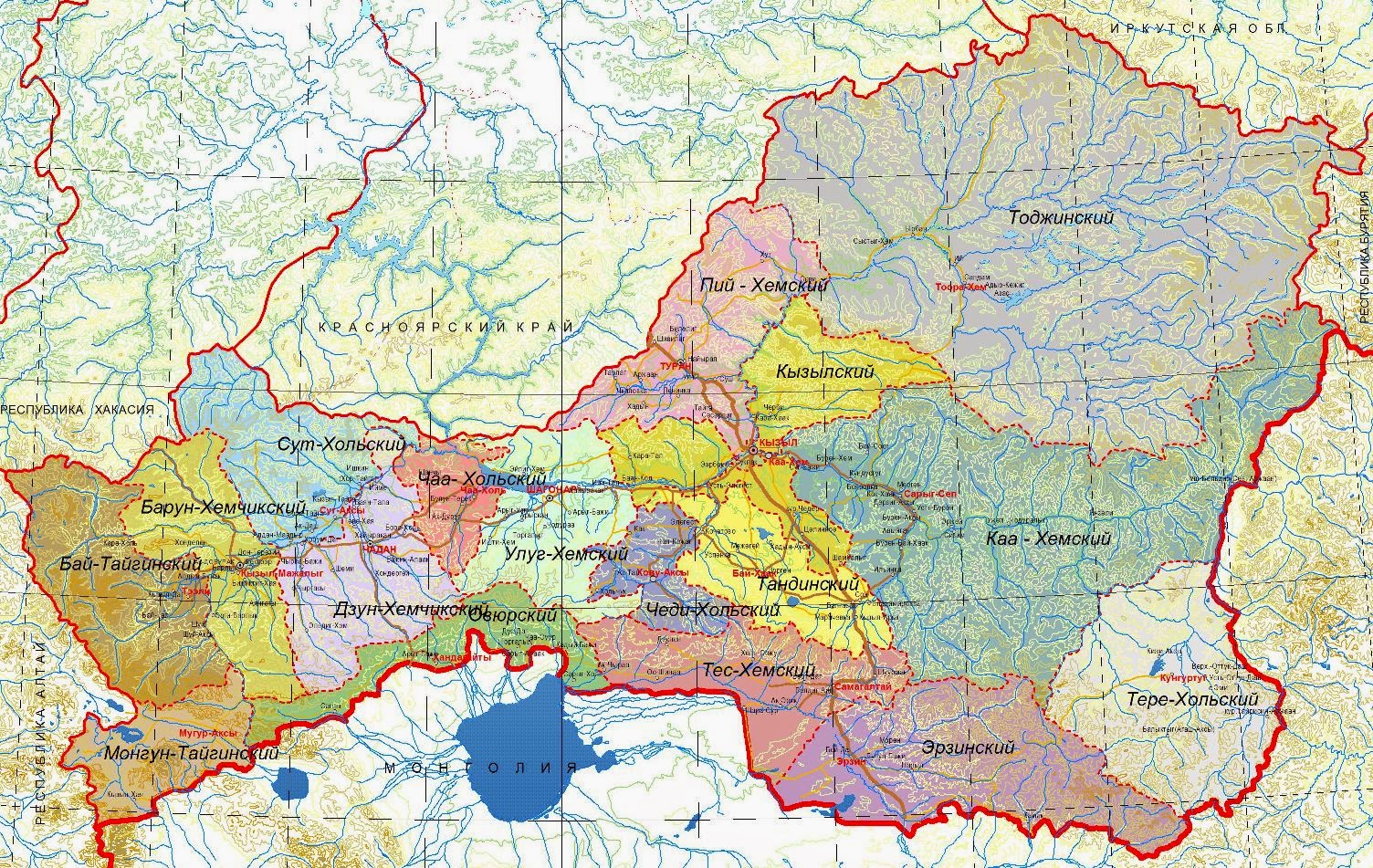
The history of Tuva
40,000 to 30,000 years ago, during the Paleolithic period (the earliest period of the Stone Age), humans began to inhabit the territory of Tuva. 20,000 to 15,000 years ago, during the Late or Upper Paleolithic period, primitive humans intensively settled in Tuva. Their primary activities were hunting and gathering.
More detail +Подробнее +
The culture and buddhism in Tuva
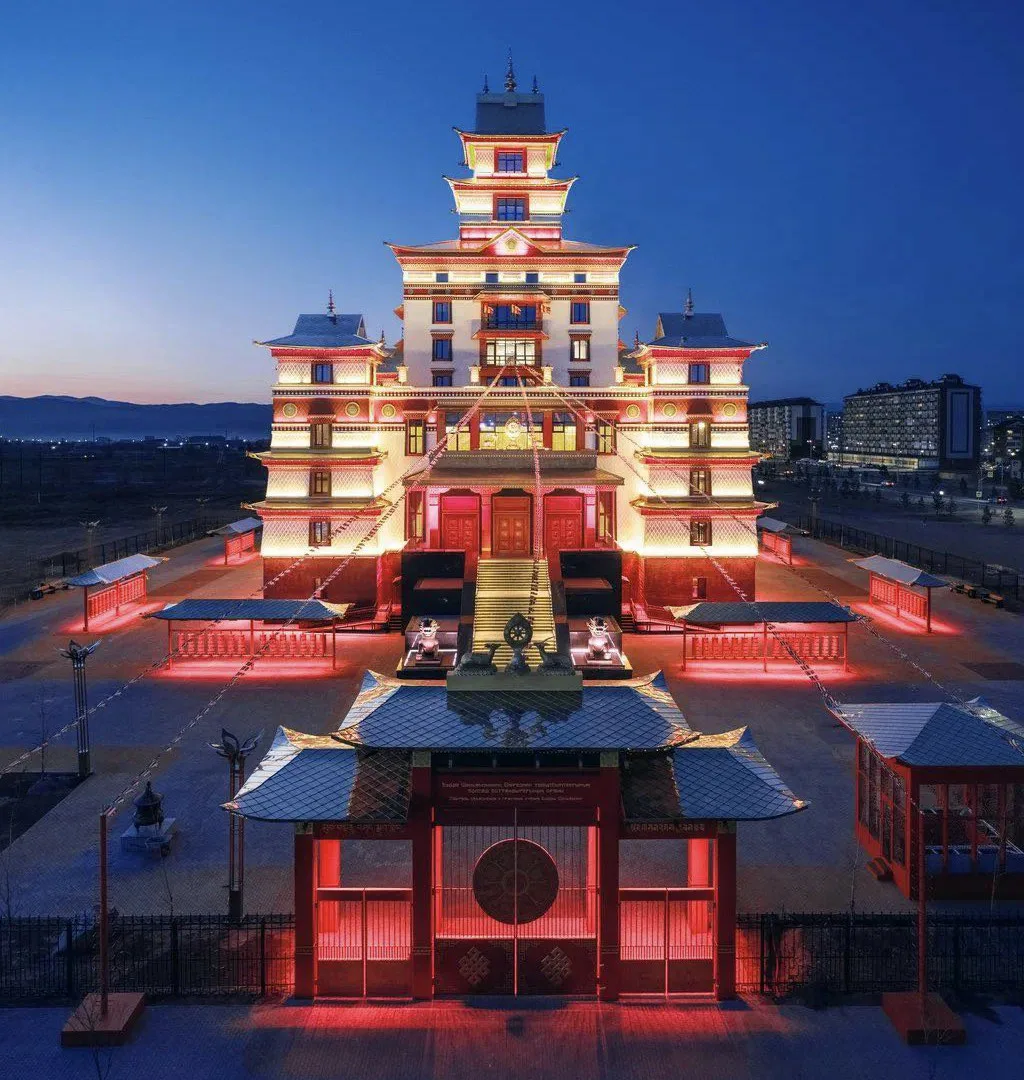
The traditional culture of the Tuvans, the main population of the republic, is a nomadic culture...
More detail +Подробнее +
Coat of arms and anthem of the Republic
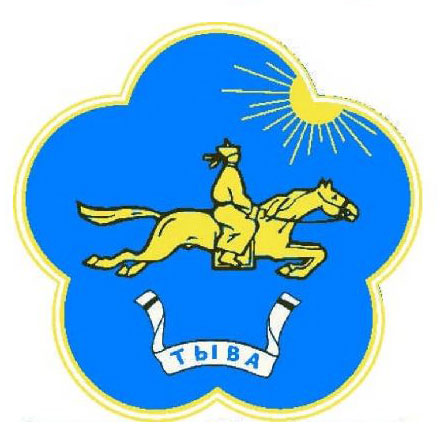
The modern state symbols, the coat of arms and flag of the Republic of Tuva, were adopted by the Supreme Council of the Republic on September 17, 1992
Подробнее +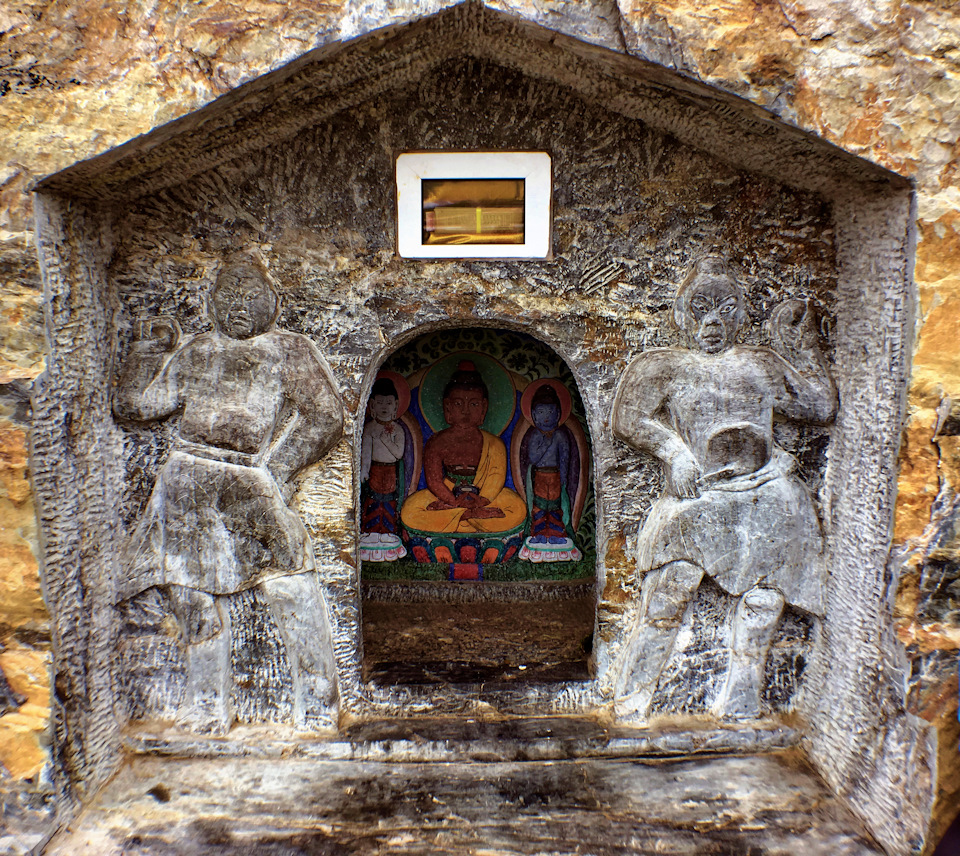
Sume – a buddhistic relic
The Sume Buddhist niche (Tuva: Sume) is located on the left bank of the Cha-Khol River (Russia, Tyva), near the village of Urbun, at a height of four meters from the foot of Mount Sume. The niche is accessed by steps carved into the gray shale.
More detail +Подробнее +
 Khoomei — Khoomei is one of the five main techniques of Tuvan throat singing, an
important part of Tuvan culture, worldview, and national identity..
Khoomei — Khoomei is one of the five main techniques of Tuvan throat singing, an
important part of Tuvan culture, worldview, and national identity..
Tuvan throat singing has gained worldwide fame and has become an unofficial symbol of the republic.
The main throat signing styles are HOOMEY, SYGYT, KARGYRAAThroat singing is a unique form of art that is characteristic of only certain peoples in the Sayano-Altai region, such as the Tuvinians, Altaians, Mongolians, and Bashkirs who live in the European part of Russia. The uniqueness of this art lies in the fact that the performer produces two notes simultaneously, creating a unique two-note solo.
More detail +


The richness and diversity of Tyva's flora
Flora of Tuva
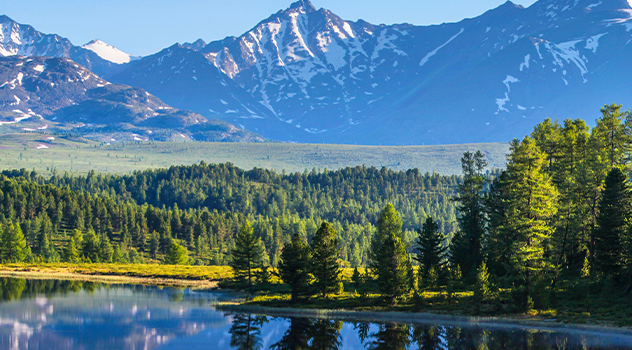
The flora of Tuva is not just an endless taiga, but a complex mosaic of different altitude zones, each with its own unique character and species composition. The region's flora is incredibly rich, with over 2,070 species of vascular plants.
More detail +
Подробнее +

Red Book of the Republic of Tuva
According to the results of scientific research conducted in Tuva in recent years, the list of rare species has been supplemented with 34 species, some of which are rare and narrowly endemic....
Download
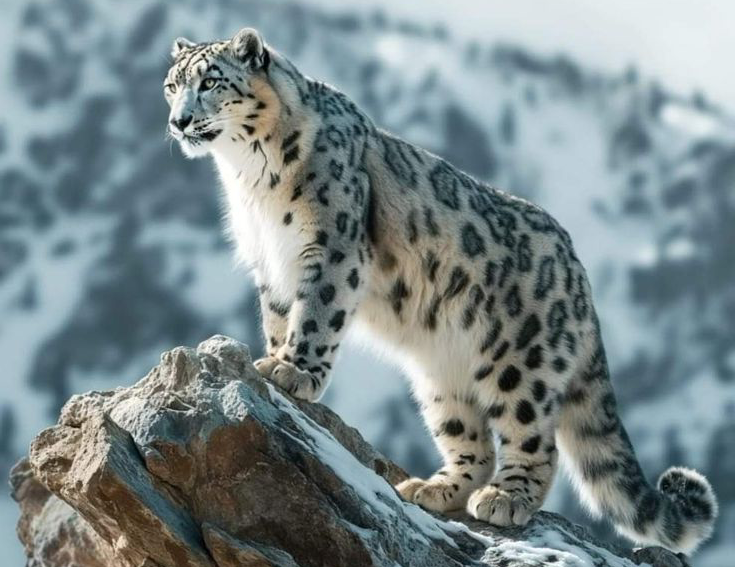
The Kingdom of Wildlife: From the Snow Leopard to the Gazelle
Fauna of Tuva
The fauna of Tuva is as diverse as its landscapes. According to the latest data, the republic is home to 86 species of mammals, about 364 species of birds, 9 species of reptiles, and up to 40 species and subspecies of fish.
Подробнее +
Interesting facts about Tuva
Description of traditional rituals, historical facts, articles, travel blogs and other materials describing the everyday life and traditional culture of the people of Tuva
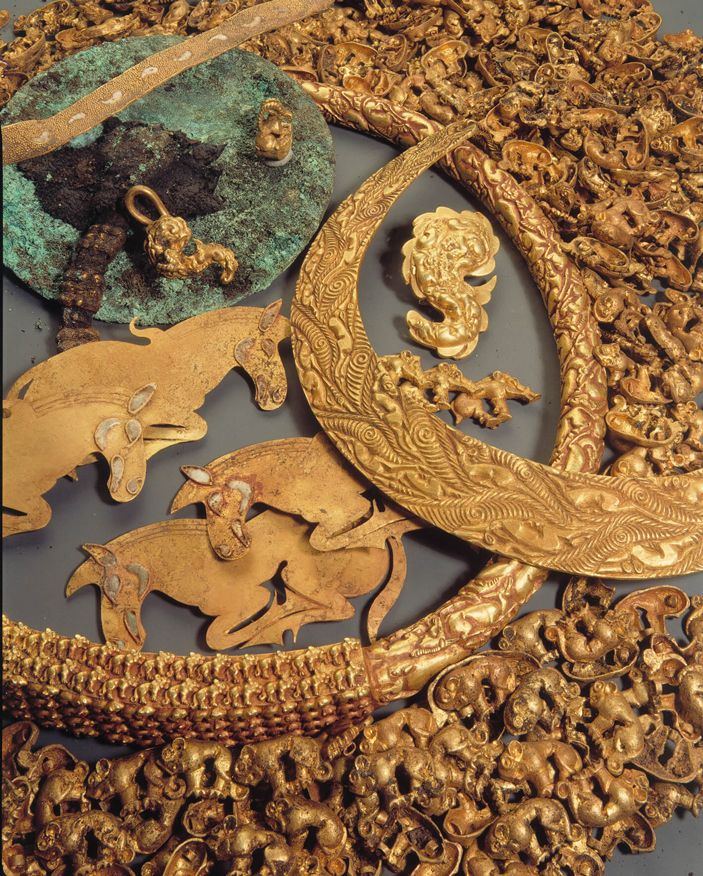
Valley of the Scythian Kings
The territory of the Valley of the Kings of Tuva is located in the Turano-Uyuk mountain-steppe basin in the Piy-Khem district of the Tuva Republic of the Russian Federation.
More detail +Подробнее +
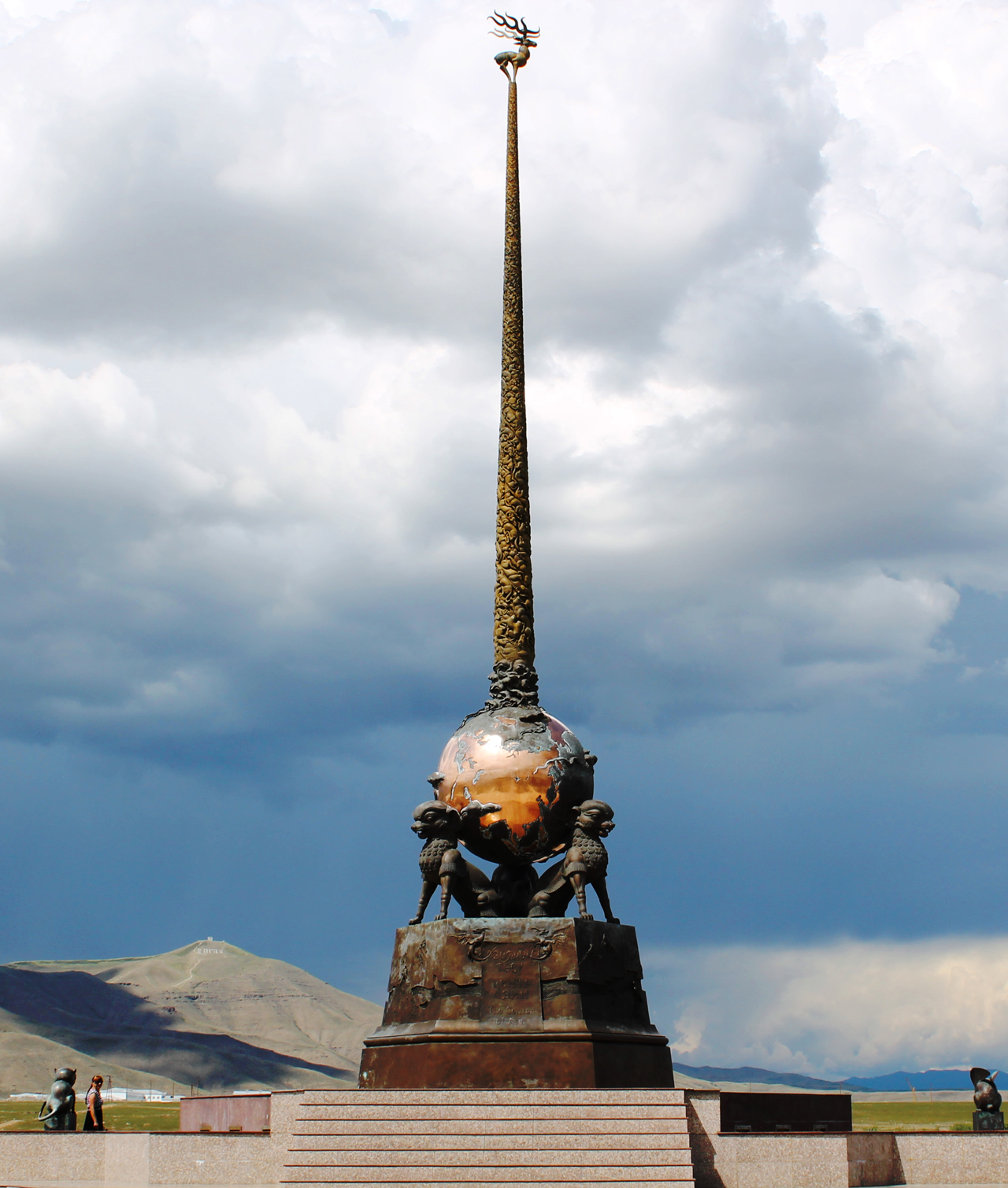
Tuva - the center of Asia
The Republic of Tuva is located in the geographical center of Asia, on this place in the city of Kyzyl is installed a commemorative obelisk.
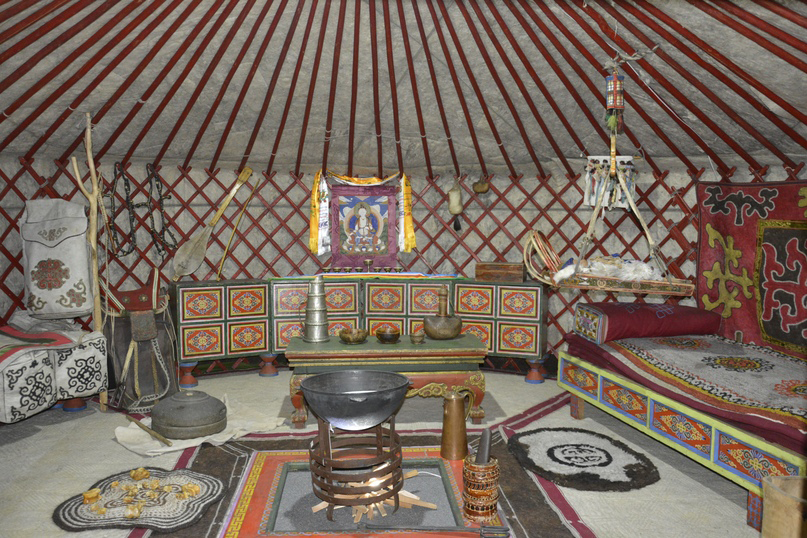
Tuvan yurt – a copy of the surrounding world
Yurt - a traditional dwelling of the Tuvan nomads in which all the elements of nature are expressed: the smoke hole (khaaraacha) is the sun, the sticks (yna) – the sun rays, the lattice walls (khana) – the mountains and ridges.
More detail +Подробнее + | Подробнее +
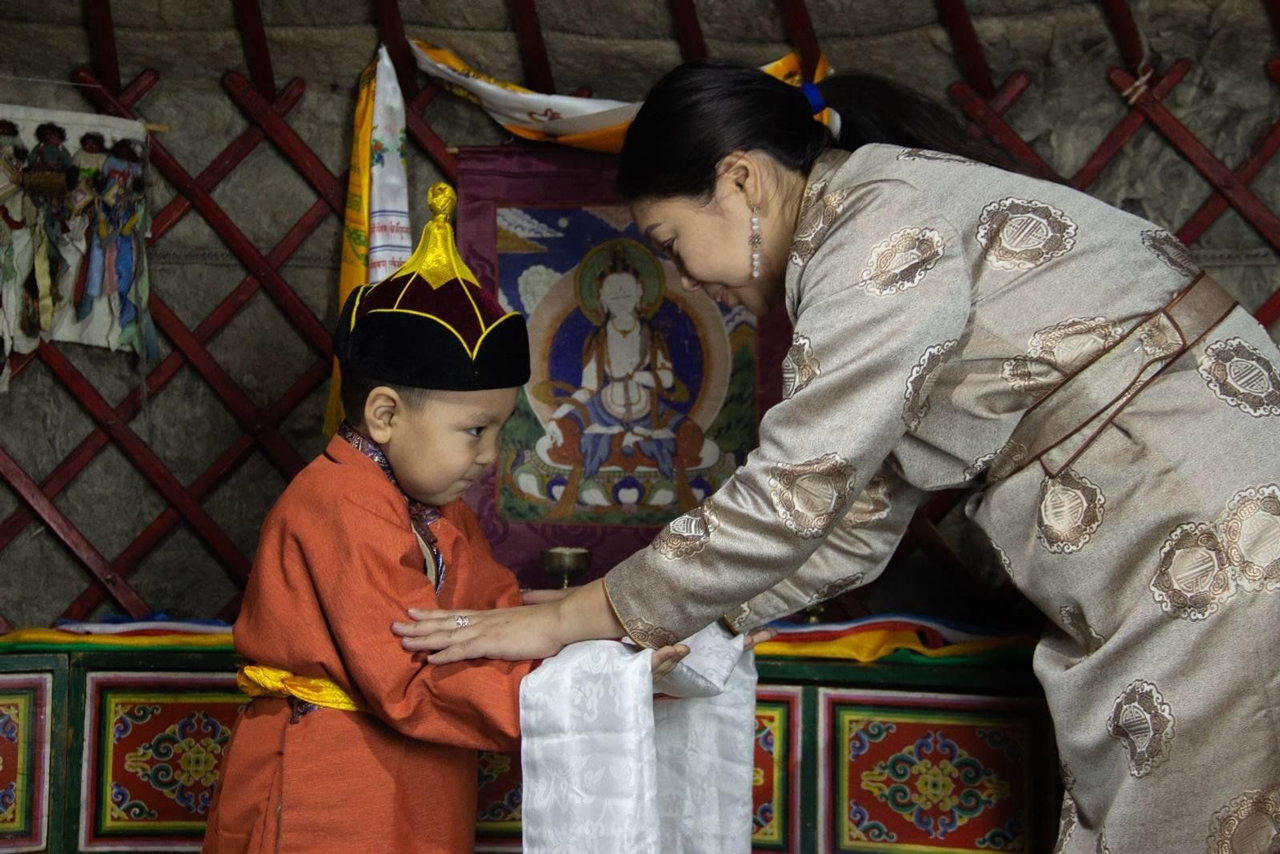
"Peace and prosperity to you!"
A special form of greeting was used — cholukshuuru. Gestures were an important element of this greeting: the younger person, whether a guest or the host, would extend their hands with their palms facing up as a sign of greeting, while the older person would lower their hands with their palms facing down, and their hands would touch at the level of their elbows.
Подробнее +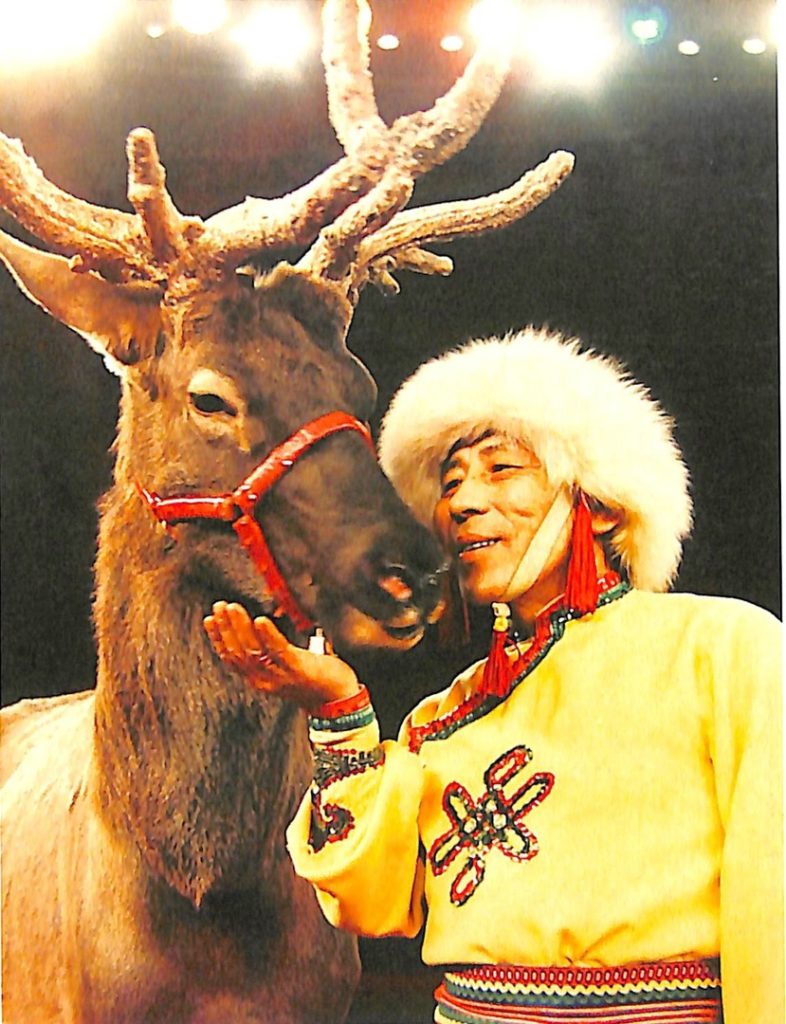
Tuva Circus
On July 25, 1939, by the decision of the Government of the Tuvan National Republic, the first circus group was created under the leadership of the People's Artist of the USSR Vladimir Bazyr-oolovich Oskal-ool.
| Подробнее +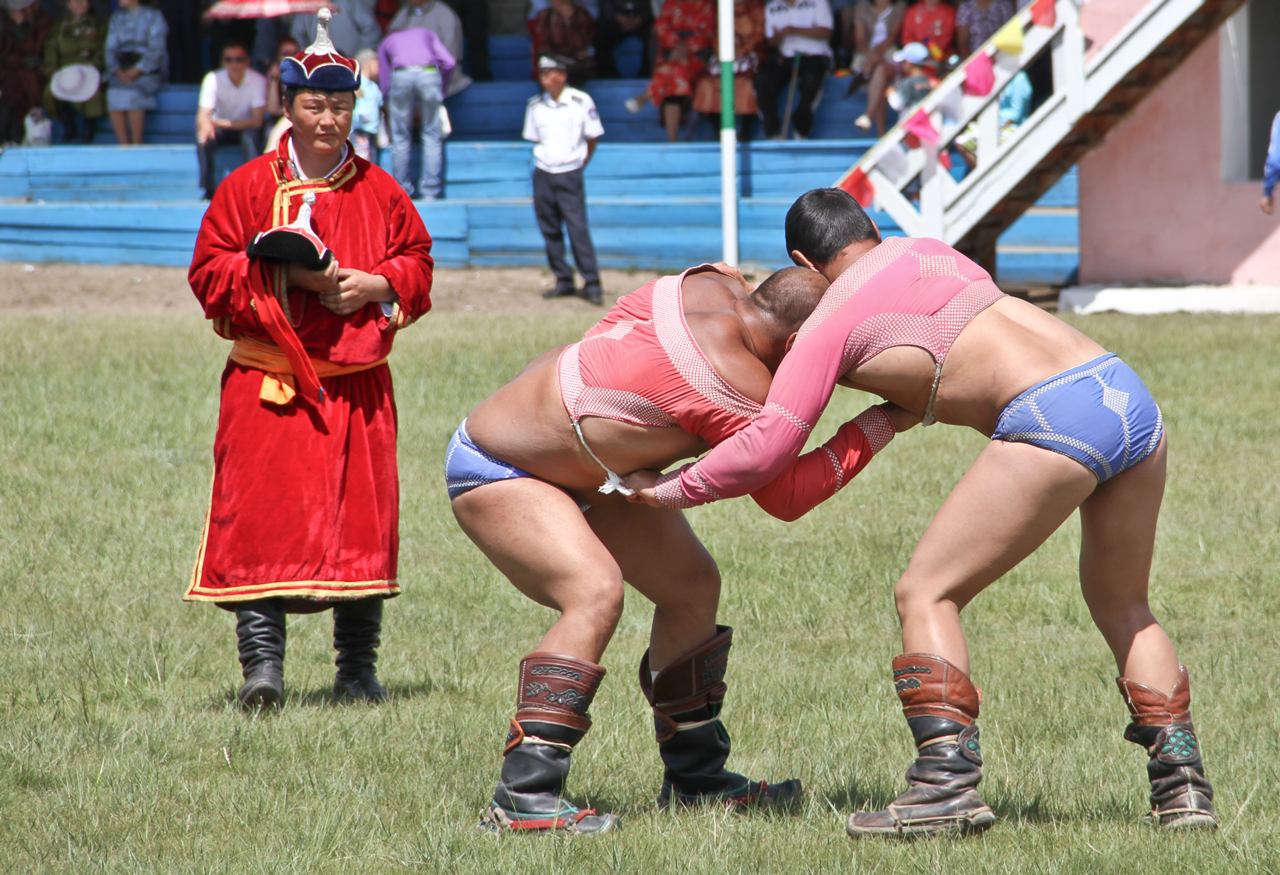
National wrestling Khuresh
Khuresh is the most favorite sport of the Tuvans. About wrestling are composed songs and legends, even in the Tuvinian folklore many themes are devoted to wrestling "khuresh"
| Подробнее +